When Prostate Cancer Spreads, Life Doesn’t Have to Stop
Even with stage 4 prostate cancer, Woods Brown and his wife are able to enjoy northern Michigan retirement.
1:00 PM
Author |
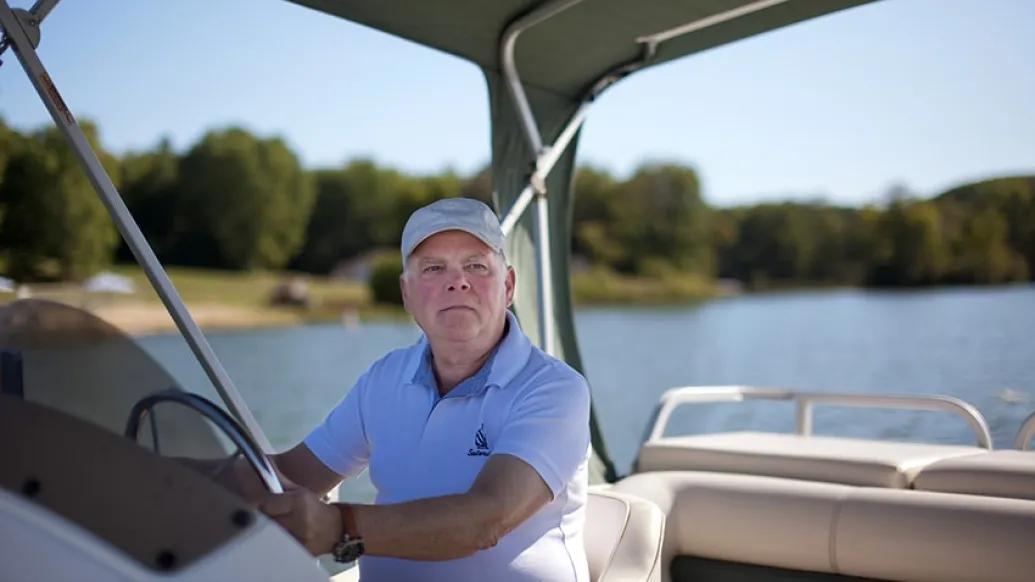
Woods Brown has stage 4 prostate cancer, which may explain why he gets tired sooner than he used to. Maybe.
SEE ALSO: Should You Have PSA Screening for Prostate Cancer?
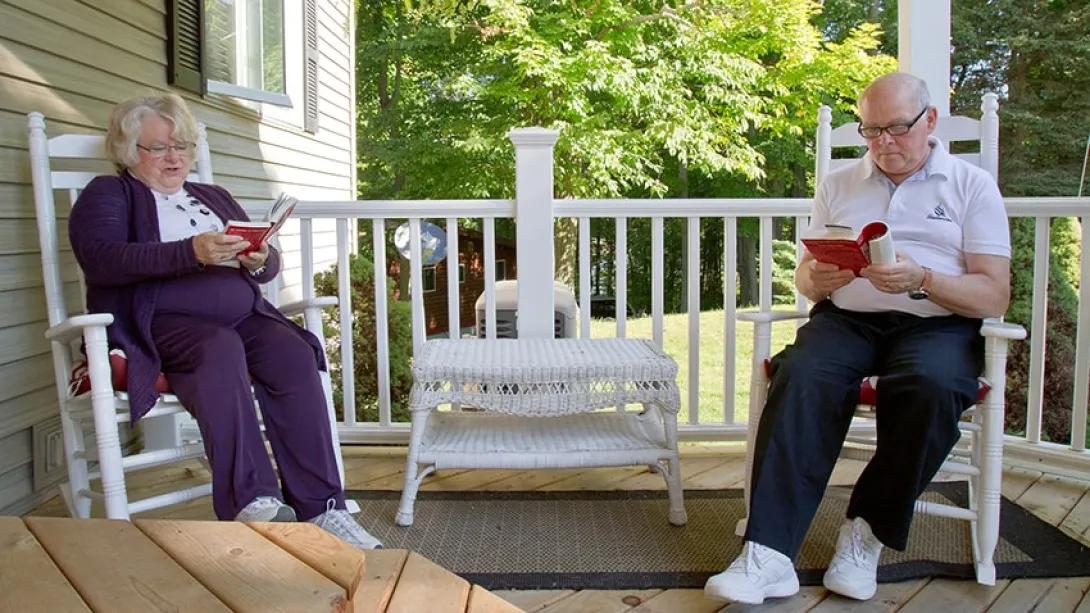
"I do wear out faster, but heck, I'm 75 years old," he says. "I can do pretty much what I want. We have a wood burning stove, and I have a load of wood I can burn so we keep warm in the winter. I had some trees down from the latest storm so I moved that. We live on a lake, and I go fishing."
"We just bought seven forsythia bushes, and he planted them the day before yesterday," his wife, Jeanne Brown, chimes in. "He doesn't look sick. All along he's had rosy cheeks."
The Browns, originally from Philadelphia, retired to Evart in northern Michigan in December 2012. They don't hesitate when asked how they like their new home state: "We love it," they say in unison.
Woods Brown was diagnosed with prostate cancer in 2009 when he was the CEO of a manufacturing company in Philadelphia. He had prostate surgery and found that the cancer had spread outside the prostate. He had radiation therapy for 40 days and, with a PSA of 0, thought he would be finished with cancer. Six months later, it had spread to a rib and a lung. Eventually it was in the liver, too.
"You hear about prostate cancer as a slow-growing cancer. Mine was not. I went to the doctor regularly for checkups. My PSA moved a little, and I went right in to get a biopsy," he says. At that point he was already stage 4.
"Cancer can move faster than what is advertised sometimes," adds Woods Brown, who will be featured on the Stand Up to Cancer telecast airing Sept. 9.
Continuing cancer care
After moving to Michigan, Brown transferred his care to the University of Michigan Rogel Cancer Center where his oncologist discussed standard treatment options and clinical trials. He elected the clinical trial.
SEE ALSO: 7 Ways to Fight Cancer Fatigue
"I don't do good at singing and dancing, but I feel really good about being on a study," he says.
"First of all, it's potentially saving my life, and second of all, I am helping other people who may get prostate cancer. All I have to do is take my medicine and show up for testing. The only burden is the distance — it's a 3 1/2-hour trip to Ann Arbor."
"We're retired," Jeanne Brown says. "It would be a lot more challenging if we weren't. It does take a full day when we're required to be in Ann Arbor, but I get taken out to dinner."
Brown says he has talked to his son and other family members about his diagnosis and the importance of knowing your family history of cancer. Brown's brother died of liver cancer, and his father died of cancer as well, although the family does not know the details.
"Take it seriously if you have anyone in your family who has it," he says. "I've been passing the word as much as I can. I've run out of people around here."

Health Lab
Explore thousands of health news & research stories by visiting the Health Lab homepage for more.
Media Contact

Public Relations
Department of Communication at Michigan Medicine
Stay Informed
Want top health & research news weekly? Sign up for Health Lab’s newsletters today!
Featured News & Stories
Changing the treatment of cancer
Online resources and coaching helped people seek genetic testing for cancer

Liver cancer can be preventable. Do you know the treatable risk factors?

Histotripsy research center launches to advance sound-wave-based cancer treatment

Prostate cancer and hereditary risk: A doctor explains the connection