Mental Health May Predict Pain Levels After Breast Cancer Treatment
A common lingering challenge of breast cancer treatment might be linked to past trauma, underscoring the need to address mental and physical health.
7:00 AM
Author |
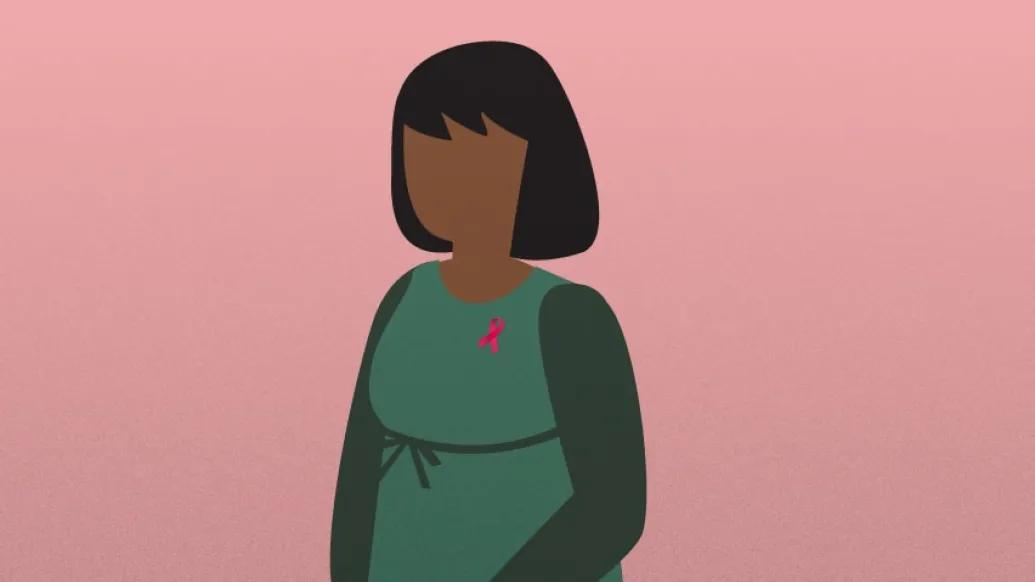
About a quarter of women treated for breast cancer experience moderate to severe pain for many years after their treatment ends. Sometimes, there's no obvious reason why.
"Are there people, before cancer therapy, who are more likely to develop chronic pain later?" asks Ellen M. Lavoie Smith, Ph.D., a researcher at the University of Michigan Rogel Cancer Center and associate professor in the School of Nursing.
To understand this better, Smith and colleagues recruited women before their breast cancer surgery and had them complete surveys. The team followed those women for a year after treatment, asking participants to report their pain.
The goal: to find factors that may influence pain severity.
LISTEN UP: Add the new Michigan Medicine News Break to your Alexa-enabled device, or subscribe to our daily audio updates on iTunes, Google Play and Stitcher.
The women self-reported their pain severity, including whether the pain interfered with daily functions. Women also reported their levels of anxiety, fatigue, sleep/wake disturbance, cognitive difficulty and whether they had experienced any childhood trauma.
Researchers also assessed "pain catastrophizing" — in other words, how much each woman described her symptoms as profoundly horrible.
Examining personal history, attitudes
A woman's mental health plays a significant role in her recovery. Past exposure to trauma could influence pain severity after cancer treatment, U-M researchers found.
In addition, patients who rate high on pain catastrophizing are more likely to develop more severe and chronic pain. The study also found a woman's beliefs in her ability to control pain had an impact on her pain.
MORE FROM MICHIGAN: Subscribe to our weekly newsletter
"Some people believe that you have no control: If you develop something terrible, you must have done something to bring that about yourself," Smith says. "They believe external factors or chance, rather than oneself, controls pain.
"The people with those beliefs are more likely to have poorly controlled pain."
These three predictors affect both chronic pain and acute pain, such as pain in the area of surgery.
Addressing mental health early
Patients rarely are asked about their mental health and mindset when they come in for cancer therapy. Smith wonders if practitioners should start asking.
She says that it may be important to ask the patient about prior trauma exposure and their thoughts and attitudes about pain before starting treatment.
"Certainly, there's nothing we can do to prevent trauma exposure," Smith says. "But if we know someone has been exposed to trauma, then we could potentially do something now that might protect them from pain after their treatment."
SEE ALSO: Treating Nerve Pain After Chemotherapy: An Option That Works
Some potential approaches include earlier assessment and proactive nursing interventions before and during breast cancer treatment. Those efforts, Smith notes, may lead to significant decreases in post-treatment chronic pain, a complex problem with few effective interventions.
For example, patients might benefit from cognitive behavioral therapy before cancer treatment as a way to better process their thoughts about pain and managing that pain.
Recognizing chronic pain
Smith hopes that cancer patients and their providers recognize that chronic pain is real, whether or not the source is obvious, and that there are things they can do to control that pain.
"Even if you think there really shouldn't be pain because there's no obvious injury to the body, remember that the cause of pain may not be obvious when due to changes that have occurred in the brain," she says, "and that many factors beyond just tissue injury will affect pain severity."
For more information about treating pain related to breast cancer, call the Cancer AnswerLine at 800-865-1125.

Health Lab
Explore thousands of health news & research stories by visiting the Health Lab homepage for more.
Media Contact

Public Relations
Department of Communication at Michigan Medicine
Stay Informed
Want top health & research news weekly? Sign up for Health Lab’s newsletters today!
Featured News & Stories

Comprehensive DNA sequencing reveals hidden drivers of cancer

Exceptional response to immunotherapy gives patient with liver cancer more milestones to celebrate
Pain, psychological factors and physical function closely linked in people with systemic sclerosis

Many hospitals still don’t do enough to prevent UTIs from catheters
FDA-approved drug offers hope for patients with polycythemia vera, a rare bone marrow disorder