Neurodiversity and Autism Spectrum Disorder
Season 4, Episode 1
5:00 AM
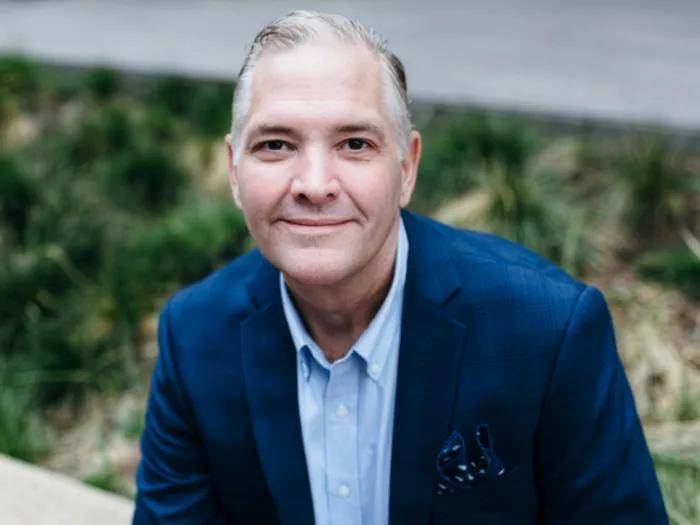
Featured Guest: Tiffany Munzer, MD
Objectives
- Define neurodiversity.
- Understand the differences between various presentations of neurodiversity including autism spectrum disorders (ASD), dyspraxia, dyscalculia, dyslexia, ADHD, and sensory processing disorders.
- Define the diagnostic criteria for ASD.
- Discuss screening tools for ASD.
- Determine barriers to diagnosis and care.
- Apply principles of psychopharmacology for the support of individuals with ASD.
- Apply evidence based behavioral principles.
Resources
- What is neurodiversity? (Harvard Health Publishing: Harvard Medical School)
- Rosenberg’s Molecular and Geneic Basis of Neurological and Psychiatric Diseases. (Chapter 18: Autism Spectrum Disorders: Clinical Considerations, pp. 197-207.
CME
Credits available: 0.75 credit
To enroll for CME credit, visit our episode activity website. Visit our CME course overview page for details on CME credit, or complete this survey for social work CEUs.
Visit the Breaking Down Mental Health podcast website for more information about this episode and the series.
Breaking Down Mental Health is a part of the Michigan Medicine Podcast Network. You can subscribe to Breaking Down Mental Health podcast wherever you listen to podcasts.
Transcript
Syma Khan:
Hello, and welcome to season four of Breaking Down Mental Health, a podcast series developed to educate all healthcare professionals on various mental health topics. I'm Syma Khan, a social worker, and I'm joined by my co-hosts, child and adolescent psychiatrist, Dr. Heidi Burns, nurse practitioner, Dr. Christina Cwynar. And today we are joined by Dr. Tiffany Munzer about neurodiversity and autism spectrum disorder. Dr. Munzer is a developmental behavioral pediatrician at University of Michigan. She received her medical degree from the University of Arizona College of Medicine and completed pediatric residency and fellowship training at the University of Michigan. She works with children with autism, ADHD, learning conditions, and developmental delays in clinical care. Thank you so much for joining us today.
Dr. Tiffany Munzer:
Thank you so much for having me here today. It's really such a privilege to be here, and I'm a big fan of all of you. And so it's great to be here to chat.
Dr. Heidi Burns:
So let's get started. Why don't we talk about the umbrella term that we've been hearing a lot recently: neurodiversity? Could you provide a definition of what falls under this term?
Dr. Tiffany Munzer:
Yeah, that's a great question. Neurodiversity is really a term and concept that embraces all of the different variations in human brain function and behavioral traits as a part of the normal range of human diversity. And this perspective really promotes the idea that neurodivergent individuals who may have conditions such as autism, ADHD, learning conditions, or other neurologic differences, they have really valuable and unique perspectives and abilities and really contribute and add so much richness and depth to society.
I think when we're thinking about traditional medicine, often we've thought about the DSM-V criteria. And that really focuses on, what are the things that might be hard for individuals with autism or ADHD or learning conditions? And sometimes the language that we've used in traditional medicine has really highlighted a lot of deficit-driven language because we're thinking about ways that we could help promote individuals' abilities and how we can help individuals thrive. But I think the daily and lived experience of a lot of individuals with autism or ADHD who are neurodiverse, I think they have so much to offer. And so I think, when we're practicing, we really have to hold the parts of both worlds and figure out, what are the things that individuals contribute to society? What are their strengths? And what are the things that might be challenging for them that we can better support as a medical team?
Dr. Christina Cwynar:
I think that understanding that people come with diverse backgrounds, they have diverse understandings and perceptions of the world is really important to the work that we all do as providers and our colleagues do that we're trying to help educate on some of the different things that they may encounter in their practice. And you alluded to a lot of things that kind of fall under that umbrella of neurodiversity, and I think one of the big topics that we really want to talk about today is autism spectrum disorder. And throughout the season, we actually touch on a couple of the other things that fall under this wider umbrella. But could you start by giving us a little definition of what autism spectrum disorder is, ASD, and what the diagnostic criteria is for ASD?
Dr. Tiffany Munzer:
Yeah, that's a great question. So autism really encompasses two main buckets of symptoms. So the first main symptom is really around challenges or difficulties with navigating the social world and social interactions, and it might include signs or symptoms such as how individuals might use their body language to communicate, like making eye contact, how they might read and interpret other people's body language, and use language to socially communicate. And all of these things contribute to how we interact with our peers, with other people in that social engagement and how we make friendships.
The second kind of category of symptoms really involves how individuals with autism might perceive and navigate the world around them. A lot of individuals with autism tend to be so perceptive and so sensitive of the world around them. They might notice more details, and they might have really deep interests in those details, and they just have this amazing perspective of the world around them. Sometimes having more sensitivity or perceptiveness about the world around them, it might make them feel a little bit more overwhelmed because there's so many details to navigate about the world around them.
And so some coping mechanisms or things that they might develop might include some repetitive behaviors to help them feel soothed when they're feeling overwhelmed by the world around them. And so those symptoms might include things like hand flapping or lining toys up in a row, visual fascination with lights or spinning objects, and also just the way of how individuals might try to create more of this sense of control of the world around them. And so they might have a harder time when things are unpredictable and they have to transition from one thing to another. And then some of the last types of symptoms individuals with autism might have are some sensory interests or sensory aversions, like preference for specific foods and having a harder time trying novel foods or even novel experiences.
And so I think we all have our ways of understanding the social world and moving through the social worlds and our own coping mechanisms. For a lot of individuals with autism, sometimes the world can really feel overwhelming, and so we just need to do a better job as a society of helping make our society a little bit more open and welcoming to all of these diverse experiences. And so I think that that's one key cornerstone of the neurodiversity movement is that we as a society haven't done enough to support individuals from neurodiverse backgrounds, and we just need to do better. We need to create environments that are going to be open and welcoming for all minds and not just a particular subset. That's kind of the summation of some of the experiences of individuals with autism and some of the criteria that we look for as medical providers.
Dr. Heidi Burns:
Dr. Munzer, I really appreciate the thoughtfulness when you speak about neurodiversity and the idea that, when I'm thinking about some of the providers that we're trying to reach on this podcast, just thinking about you're trying to accomplish exams and testing and all of these things, and sometimes just stopping and allowing yourself to think about and be curious about why maybe my patient is acting this way and find that empathy about how they may be doing something that is actually a coping skill or a soothing skill, even though that may sometimes be frustrating or make it hard to work with that person in a moment when you're trying to accomplish something, say, in an ER visit. I like the idea of just taking that breath and trying to say, "Okay, let me step back. Let me think about why they're doing this and how that activity or that behavior is helping them in some way and try to work with them."
Dr. Tiffany Munzer:
Yeah, Dr. Burns, that's a really wonderful way and perspective and way of thinking about it because I think at the heart and root of it, we just all want to feel understood. And so behavior is just one manifestation of what an individual is trying to communicate, and I think the central premise of our most high-quality therapies for individuals from neurodiverse backgrounds is really just understanding what that behavior might mean and trying to interpret it from a lens of compassion and empathy for that individual's experience. So yeah, that's really, really well put, Dr. Burns.
Dr. Heidi Burns:
I usually use a little script in my own mind of, how is this behavior getting their needs met, right? This person, I usually try to tell myself, this person has a need, and they're trying to meet that need with this behavior. And so how can I help them meet that need? And sometimes that means joining them in some way with their behavior or just giving yourself an understanding about, this is them trying to meet their needs, and this is okay. It's different, but it's okay.
Syma Khan:
Yeah, absolutely. I think the perspective of the sensory aspect of children with autism around needing things to be in a certain way and helping with that emotional distress that they may be experiencing related to the environment and that over stimulation that may occur. And so I think that's important to think about with these youth is how do we ensure that the environment can also be adapted to them? I think that's something that we consider, especially as we want to ensure the healthcare system is accessible to youth with diverse needs, different type of developmental needs, physical needs, all those types of things.
Dr. Christina Cwynar:
I think that's a really important thing to think about. And something that we encounter in our work all the time is this kid or this adolescent or young adult is struggling with their medical presentation. They can't tolerate tests, or they can't do this. And when we come in, it's yes, they can, but they need us to do X, Y, or Z to make this tolerable. And sometimes that is, you know what? They need us to have a stuffed animal and the lights off and this and that done in the environment. And other times it's like, you know what? This is just an overwhelming experience, and we need to talk about what medications or things that we need to get an individual through those necessary things. But it's meeting that patient and that family where they're at and kind of adapting to them. I know I've done assessments sitting on the floor or walking laps around units because a kid couldn't sit still. Or you know what? I've done it over Play-Doh or whatever that kid needs in that moment, and I know you guys have all done similar things.
Dr. Tiffany Munzer:
Yeah, I love that, and it's really about setting up your environment for success. And so I think ahead of medical appointments or assessments, just letting the family know, "This is what you might anticipate. And what kind of things might make it easier for your child to navigate this new stressful medical situation? What are some things that really bother them that we really should avoid?" And asking families, "How can we partner to make this experience as successful as possible?" Yeah, absolutely.
Dr. Heidi Burns:
And we even sometimes have behavioral plans in place so that, if we know that person is going to be coming in for a procedure or a stay, we've already got a plan ahead, and it's in their chart or it's been communicated with their whole team. So sometimes that prep work can go a long way.
Dr. Tiffany Munzer:
Yeah, yeah. That's so great. And I think that those behavioral plans really, because every individual is so different, having something that is so tailored to the individual patient and family, it can really go a long way.
Syma Khan:
So as you mentioned that there can be such a spectrum of behaviors and we can expect different things. And I think in particular really over maybe the last two decades, we've heard more and more conversation about autism spectrum disorder as a spectrum, that we may see this range of behaviors. So can you speak a little bit about this conceptualization of a spectrum when it comes to autism?
Dr. Tiffany Munzer:
When we think about autism symptoms, we all have some degree of these symptoms present in our daily lives. And so when we think about autism symptoms, it really is almost this normal curve of distribution of symptoms, and it's not just in one category of things. It's across a wide array of symptomatology. And so it's almost this, when we're thinking about every individual patient, it's not just about how do they make eye contact. It's how do they interact with their social world, which is hundreds of things that people do to interact with the social world, or what are their coping mechanisms? What are their skills? How do they interact when they're feeling stressed? It's so many different things.
And so that's why I think sometimes it can be really tricky to make an autism diagnosis. And sometimes our families and patients, they exhibit different symptoms and behave differently across different settings. And so sometimes in various settings, people might show different strengths or skills that, in other settings, it might make them feel more stressed out. And so I think that coming to a diagnosis or a consensus can be really tricky for those reasons and the wide breadth of experiences that families and patients have.
So just to get at a little bit more around the autism diagnosis itself, we really make an autism diagnosis when sometimes things don't come so naturally for that child, and it might be making it harder for them to do the things that they want to do in life. And so over time, some of that diagnostic criteria has shifted, as we have different expectations of children as they move through their life from infancy to teenage years. We might be looking for different signs and symptoms across time. And then also, as we've evolved as a society, we just expect a lot of kids. And so I think some of the things that maybe 20 or 30 years ago when we were all growing up, there's different expectations as a society. And so we've had to broaden our inclusion criteria and diagnostic criteria to capture all of the things that we really expect kids to do, which is, it's a lot.
Heidi Burns:
And that's not even thinking about broader cultural perspectives too.
Dr. Christina Cwynar:
I was just going to say that.
Dr. Tiffany Munzer:
Really.
Dr. Heidi Burns:
Because I do a lot of global mental health work, and it's a completely different experience to go to another country or to go to another culture and then be trying to use the same sort of scales and tools that you use in one that may just not apply to another place. And here in the United States, we have people from all over the world, so there's lots of variables that you're taking into account when you're doing these evaluations or when you're wondering if that diagnosis exists.
Dr. Tiffany Munzer:
Yeah, absolutely.
Syma Khan:
And I think the idea of a spectrum considering different periods of a child or an adolescent's development of how does it impact the things that they want to do? In what ways can we modify what's expected of them to help support them, but then also ensuring we can identify the appropriate resources? So I think seeing that as a spectrum, that at different points we may have different expectations, different criteria we may consider to identify the best intervention to support that youth or that child in the space that they want to be successful.
Dr. Christina Cwynar:
I don't know if this is the right term, but the recategorization of autism as a spectrum has really helped maybe battle some of the stigma around autism because oftentimes when I'm talking with families, and we're often meeting families where we're maybe signaling that concern that there may be autism spectrum disorder and having those conversations, it really helps to go, "It really is a spectrum." Because oftentimes their immediate response still is, "My kid is going to suffer. They're going to be very debilitated." They're at that really severe end of the spectrum, where we see kids all across the spectrum and thriving in all different sorts of ways. And like you've talked about, they all have their strengths, and we just need to learn how to support those challenges that they face. But I think that categorization of it as a spectrum has really helped families kind of embrace this and know that they can support those challenges and really help them flourish in their strengths. I don't know what your experience has been with that.
Dr. Tiffany Munzer:
Yeah, absolutely. And I think there's this cultural tide and movement toward neurodiversity that we just really... There really is more conversation around it. We have a long way to go in terms of, as a society, not just providing the lip service to neurodiversity, but actually the actions that are needed to support individuals from neurodiverse backgrounds. But I do think that there has been this cultural turning point where we're really recognizing more of the amazing things that kids with autism and individuals with autism that they bring to the table that I think families have always known, but because of our medical lens and how we've conveyed things to families in the past, maybe were not always well highlighted.
Yeah, I completely agree with that. And I'm just also reflecting on an experience that I had two decades ago as an undergraduate student babysitting for a family of an individual with autism, and they were so honest and open with me that I so appreciated their honesty. And they had divulged that, when they initially got the autism diagnosis, they were like, "We really took it so hard. We thought this was going to mean that she couldn't get married, that she couldn't go to college. But over time, we really came to see that she's capable of so much." And so I think that more and more families are really understanding that kids can do so much, and we just need to do better as a medical society and ensure that they can thrive and meet their true potential.
Dr. Heidi Burns:
Along with this awareness that's kind of come with the movement around autism spectrum disorders, there's a lot more push and openness to getting people diagnosed earlier and earlier. But there are also still times where people are diagnosed later in life or this diagnosis maybe has been missed in the past. What are the ways that we actually use screening tools, and what kind of tools are we using to diagnose people with autism spectrum disorders?
Dr. Tiffany Munzer:
I'm really situated more in kind of the early childhood space, so I'll respond to that in this early childhood space around autism screening tools at 18 and 24 months of age, which our kind of bread and butter screening tool is called the M-CHAT. And pediatricians use it at two time points, or pediatric providers rather use it at those two different time points. And it's really important to screen at these two time points because around 18 months of age, many individuals with autism have mostly symptoms that are just more, maybe a little bit less eye contact around this age. They're not using their body language quite as much to communicate as kids who might not have autism, so some of those building blocks of social communication just don't come as naturally to them or as easily to them.
And those types of symptoms are a little bit harder to catch at this age. And so some of the symptoms of autism, like maybe rocking or spinning or hand flapping, those symptoms don't really appear until a child is closer to 24 months of age. And so that's why it's really important to screen at these two time points, but a lot of pediatric offices sometimes miss that second time point. And so if I were to be able to change things in the system, I would say we really need to be encouraging and helping pediatric providers screen at both time points, and we need to broaden access to diagnosis and therapies and services for young children and individuals across the age span who might have neurodiverse symptoms.
I think there's also other challenges around screening that you mentioned, Dr. Burns, is that sometimes we miss different cultures around screening, and we know that our screening tools are not perfect. And so I think we really have to rely on multiple sources of information to really do a good job for families. And those multiple sources include these screening tools, our behavioral observations of young children in the room, and then of course parent report of what their experience is because there really are systemic barriers to diagnosis and that there are disparities based on race that we just haven't done a good enough job supporting individuals of all races. And Black and Hispanic children are coming to an autism diagnosis much later than Caucasian children, and so we really need to do a better job at the systems level to make sure our screening measures are appropriate across all cultures and are addressing these kinds of systemic racial factors that are leading to worse outcomes for our young children.
Dr. Heidi Burns:
There's even been a lot of research about gender differences as well, and the fact that sometimes there could be later diagnoses for females than males, sometimes related to some of the social symptoms in particular that we look for. So there's lots of different things to kind of keep in mind when you're thinking about these screening tools and their utility.
Dr. Tiffany Munzer:
Yeah, that's absolutely right. And so I think, sometimes when we're thinking about autism symptoms, some individuals, especially those who are really verbal, a lot of kids are really fast learners. And so if given just the right amount of coaching, they do a great job with social interactions, but sometimes it just takes more effort for them to engage in those social interactions. It makes them more tired at the end of the day. And so for girls especially, asking families, "How much did you feel like you had to coach them around things like navigating the playground? Did you feel like you had to break it down into like, 'oh, when you're meeting a new child, you wave to them and say hello and ask them if you want to play'? How much of that were you doing at the front end of when they were just going out into the playground? And how much of it do you feel like is something that she just knew intuitively or he knew intuitively too?"
So it's about some of the effort that families are putting in and also, at the end of the day, how tired that individual is when they have to move through the world and make this really, really big effort to accomplish things that may come more easily for other children. So sometimes that can lead to more meltdowns at the end of the day, or kids might feel more overwhelmed. And so asking about how are they coping at the end of the day? Are they exhausted from what we call masking and trying to move through the world as a neurotypical person when you have these neurobiologic factors that make it harder for you to do that? It can be some ways to assess that.
So one tool that we have to assess autism is called the ADOS, and the ADOS is really about creating a social world for a child and inviting them to participate in this social world. And so for young children, kids who are toddlers, that social world really revolves around play. We have all these really fun tasks that we do that are just a part of kids' daily living. We'll build bubbles with them, or we'll roll a ball back and forth. But what we're looking for is really, how are they communicating using their body language to communicate in a nonverbal way? Are they picking up on that social cue of like, "I'm rolling a ball to you. What's the reciprocal interaction that I do"? Can I pick up on that social interaction of like, "I should roll this ball back and forth"? Because this kind of back-and-forth, ping-pong reciprocity, those are the building blocks of further conversational reciprocity, the ping-pong or serve and return interactions that we use to guide friendships and have a conversation with people and understand them better and communicate.
But it starts in these body languages and non-verbals for young children. And I just love being able to witness a lot of the skills that young children have around play because play really is the work of children. There's so many clues about a child's mind and how they engage with the world, how they think about the world when we just look and observe what they're doing when they're playing.
And then of course, because it's a social world and so much of that social world is about the caregivers and the caregivers' interaction with young children, we are really observing how's that child interacting and engaging with their parent or caregiver or loved one. I just have to just call out and shout out a lot of our caregivers and parents. When their child is in the room with them versus engaging with me as a stranger, I really see so much more social skills with their parent or caregiver as compared with me. And so it's really a testament to our families and the effort that they put into creating a safe space for their young children where they feel like unconditionally loved. I just have to highlight that piece that it's just really such a joy to bear witness to the loving environments that families really try to give their young children.
So that's the ADOS for young children. As kids get older, more of the social interactions evolve from play-based, non-verbal interactions into more verbal communication. And so as kids get older and their language abilities get better, we really do a lot more conversation. And I love getting to know, the ADOS is really about getting to know your patient well. And so we ask questions about, "What do they like to do? Who are your friends at school? Tell me about a conflict that you might've had. Tell me about your emotions. When you have this feeling, what does it evoke inside of you? How does it feel inside your body? What do you do about it when you're feeling stressed or sad or overwhelmed?"
And so it gets at some of those social insights about peer relationships and then also social insights about your own feelings and emotions that might not come as easily for a child with autism because they might feel their emotions more deeply. And so it might make them feel more overwhelmed, and they're not processing their emotions in the way that maybe if you weren't feeling it so deeply, it might be easier for you to put the words to that emotion or figure out next steps.
Yeah, I think the ADOS is really a wonderful tool that we have. It's just one tool. Again, I think that one challenge with the ADOS is that we're not seeing how that child engages with another peer. I think as adults, often it's easier for us to be flexible around a child's interests and needs. Whereas when they're on the playground with other kids, other kids have their own agendas. And so sometimes the social breakdowns are really happening on the playground. When other kids have social agendas, they might not follow as much with another child's train of thought who might just need things to be a more specific or particular way. So that's one downside to the ADOS is that we don't always get that information from our interactions.
To help bridge that gap, often we'll rely on our teachers who are seeing kids on a day-to-day basis in school and their social interactions. And so sometimes we'll reach out to teachers and say, "What are you noticing about this student? How are they interacting with other peers? How do they move about the world on the playground and at lunch? Are you seeing that they're really on the fringes, but they really want to be a part of their social group?" And so we really believe that the teamwork piece is so crucial in understanding who a child is, and so we really give a lot of kudos to teachers who are seeing and witnessing a child in that environment.
Dr. Christina Cwynar:
So we talked a little bit about the diagnosis. Some of the barriers associated with diagnosis are tools, the cultural barriers and stuff. But what does care look like? So once we've diagnosed a child with autism, how do we support them?
Dr. Tiffany Munzer:
Yeah, that's really a great question. And I guess because the symptoms can vary from individual to individual, our therapies and supports really do vary from individual to individual. And kids with autism have so many strengths. And when we think about who we are, we really think about, what are the things that come easily for us? What are the things that are trickier for us, that we just need more of the supports? Be it in the form of, "Oh, I just need to create a calendar." What are the tools at our disposal to make up for these lagging skills or help us move through the world in a way that's a little bit easier? And so I think that that's where some of the supports and therapies can come into play.
The biggest therapy that families might hear about is in ABA therapy, or applied behavior analysis therapy. And when we think about ABA therapy, it's really about what we had talked about earlier. It's about how do we set the environment up for success, and how do we understand where a child is coming from? What does this behavior actually mean? Are they feeling overwhelmed at the environment? Could we provide some headphones so that the environment is less stimulating and they're not feeling like everything's so loud? And could we do some simple things just to help set the environment up for success?
But ABA really helps with three key things. The first key thing is, if a child is really experiencing a lot of emotions, sometimes it can come out in the form of more aggressive behavior, especially if they have some language delays and they can't communicate what they need. And so their body language is the way that they communicate, and sometimes that can come out in the form of aggression. ABA is really about, what's the underlying reason for this? What is the child trying to communicate? Give them other skills and tools so that they don't feel like they have to resort to aggression to get their needs met.
And they'll take really close data. On day one, we noticed 10 episodes of aggression, and we did these things, and that helped our aggression on day two. So they'll really measure things and keep close tabs on the actual behavior itself to try to help reduce some of the behaviors that might be a little bit trickier for that child. That's one thing that ABA can help with.
The second thing that ABA can help with is around social communication. How can a child communicate to get their needs met, and how can we help children learn some of those social cues in their environment, like facial expressions or body language, that other people are communicating to them? And then the last piece is really around adaptive behaviors. How can you go to the grocery store, or what might be some toileting goals that the family has around toilet training? Or maybe setting up a schedule in the morning to help kids get ready in the morning. So those are some more adaptive and functional goals of ABA.
But you can see that it really is a wide breadth and range of therapeutic outcomes. It can be really hard sometimes to find an ABA team or provider that really gets and understands each individual child. There's been a cultural movement to really push for more high-quality ABA because of the experiences in the past that a lot of individuals with autism have felt that ABA was not a good fit for them growing up, that the goals that the ABA team had did not mesh with the goals of their mind as a neurodiverse person, or that it didn't fit in with how their body and mind needed to move through the world.
So there really are some downsides, and I wish that we could create higher quality, better, and more consistent ABA for families so they really knew what they were getting. But the reality is, unfortunately, families have to navigate this really complicated system. What we often tell families is that, as medical providers, when we're prescribing an antibiotic, we generally know what we're getting. But when you're prescribing a therapy, there's so many other variables involved, like the therapeutic alliance between a child and their provider. We really rely on family's gut instincts about the fit at ABA to know if it's going to be a good therapeutic alliance, and we help coach them on what to look for in high-quality ABA centers.
Syma Khan:
Thanks so much for sharing about ABA and how it can be really positive and supportive to individuals with autism, but may also create some challenges, and that families and the individual themselves may also experience some negative aspects of ABA. And I think it just reflects, again, in that conversation of, how do we adapt the environment, and how do we support these youth? I really appreciated that recently we've been seeing more sensory-friendly activities in communities, like movie theaters that will maybe have the lights on, but they'll have the sound down, or there'll be an hour at grocery stores that's more sensory-friendly for families to be able to go shop during an environment that's maybe less busy. So again, just that we can also adapt the environment while we're also providing these therapeutic interventions to our youth and family.
Dr. Tiffany Munzer:
Yeah, absolutely.
Syma Khan:
So pivoting a little bit, just wanting to reflect that individuals with ASD can sometimes struggle with different mental health needs as well. What are some considerations when thinking about utilizing pharmacology to help support these needs?
Dr. Tiffany Munzer:
Yeah, that's a really good question. And it touches on what Dr. Cwynar kind of mentioned about skill building. And sometimes it can be really hard when families are engaging in therapies and they're working really hard, and they just feel sometimes there's these barriers, these very real neurobiologic barriers to children thriving in their environments even after trying to set up the environment for success. Sometimes psychopharmacology can really help some of those skills sink in so that it doesn't feel like such a high activation energy to get through their kids' day. And so I think when the therapeutic environment is just not helping families to the extent that they need it to help, then we can consider other pharmacologic options for families so that kids can really thrive.
And I think our tools as medical providers are really blunted for autism and addressing some of the very real challenges that families and children might face in the world. And so our tools are really addressing more of the symptoms of things that might happen. So sometimes for kids with autism, they might also have a co-occurring ADHD diagnosis, and so we would treat the additional symptom of maybe difficulty with focus that might make it harder for some of the therapy to sink in and get organized in their brain so they can access it. And so we would potentially treat with an ADHD medication.
For some individuals with autism, they feel this overwhelming sense like of just discomfort inside their own bodies, that whatever environmental supports are provided, there's still this underlying discomfort, and that can come out in the form of aggression or other behaviors. And when we reach the end of the line of our environmental supports, we could consider other medications in the neuroleptic class to help with those more challenging or trickier behaviors.
Dr. Christina Cwynar:
And I think the thing to note is that individuals with autism also experience other mental health conditions, like depression and anxiety. And as providers, just being aware that we may need to help supplement their support, whether that's with pharmacology or other types of therapy to help with those things that they may also be experiencing.
Dr. Tiffany Munzer:
Yeah, absolutely.
Dr. Heidi Burns:
Before we close for today, are there any final thoughts about this special population?
Dr. Tiffany Munzer:
I was just reflecting on medical training, and as a fresh newly graduate in medical school, we're taught to be the fixers. And if there's a problem, we want to address it and fix it for people. But in our work and our family's lived experiences, often there's really nothing to fix. The thing that we have to fix is our society and how we're supporting individuals with autism to provide the extra, make sure therapies are easily accessible for families, make sure our spaces are more inclusive of different minds and experiences. I think that those are the things that we should address as medical providers in making sure our kids can thrive in society across all settings.
Dr. Christina Cwynar:
Well, thank you so much for joining us today. We truly appreciate your time and your expertise, and then thank you to everybody who tuned in this week. Nurses, social workers, and physicians can claim CMEs and CEs at uofmhealth.org/breakingdownmentalhealth. You're able to do this anytime within three years of the initial air date. We hope that you'll join us next time.
Breaking Down Mental Health
Listen to more Breaking Down Mental Health podcasts - a part of the Michigan Medicine Podcast Network.
Featured News & Stories

Studying Period Pain

Foundation gift inspires additional gifts to strengthen youth mental health care

A tragedy and a trial shine a spotlight on new moms’ mental health
Helping kids with ADHD thrive in school
Back-to-school anxiety: 6 ways to fight the fear