
Understanding how frailty in children with heart conditions may influence outcomes
A third of children and adolescents who underwent a complex procedure for a severe congenital heart condition were identified as frail.
12:00 PM
Author |
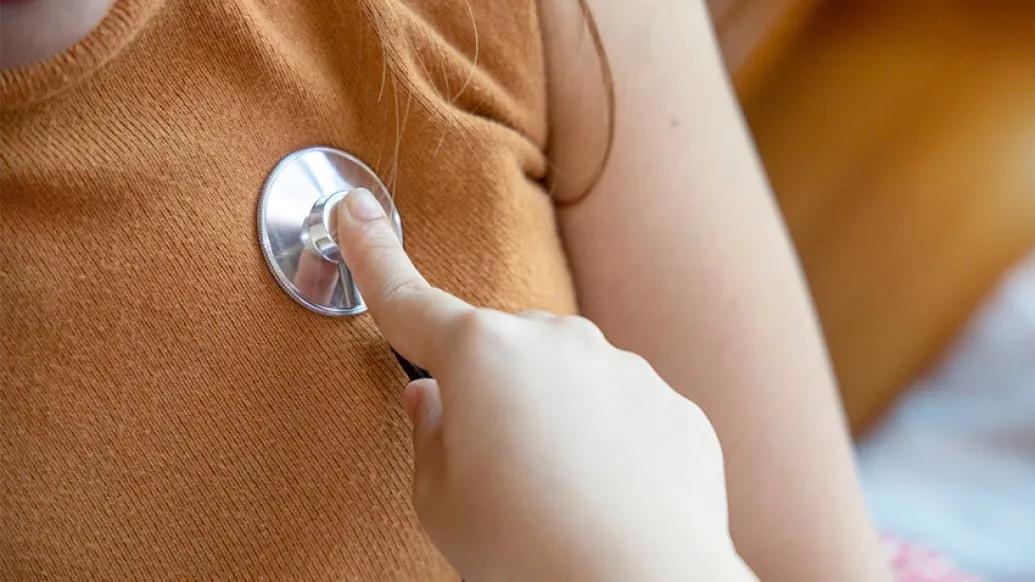
Frailty, a state of increased physical vulnerability or risk of deterioration of physical wellbeing resulting from chronic disease, has been primarily studied in adults – but it may also be very important in children.
Children with congenital heart disease who are considered frail may particularly have an increased risk of poor health outcomes after heart surgery. However, little is known about how common frailty is in specific child populations.
Now, new research suggests it is more common than previously appreciated.
A third of patients who underwent a complex procedure for a severe congenital heart condition were identified as frail at a routine clinic visit, with providers inconsistently recognizing it, according to a study at the University of Michigan Congenital Heart Center shared at the virtual American Heart Association Scientific Sessions.
MORE FROM THE LAB: Subscribe to our weekly newsletter
The study included 54 patients who underwent an open-heart surgery known as the Fontan procedure, which is the final procedure after a series of heart surgeries necessary for patients born with single ventricle type heart disease.
"In adults with chronic disease, we know that individuals who are considered frail have an increased risk of poor health outcomes. But this hasn't been well studied in the pediatric population," said senior author Heang Lim M.D., pediatric cardiologist at University of Michigan Health C.S. Mott Children's Hospital.
"We wanted to learn whether frailty in this group of young heart patients was associated with adverse health outcomes. These findings highlight the need for improved screening and support for an at-risk population that providers may not always be able to identify."
These findings highlight the need for improved screening and support for an at-risk population that providers may not always be able to identify.Heang Lim, M.D.
Frailty was evaluated through several measures, including slowness, weakness, exhaustion and diminished physical activity both before and after surgery. But doctors were not able to reliably predict their patients' risk of frailty, Lim notes.
Factors associated with frailty included protein losing enteropathy (some heart patients experience a severe loss of proteins into the intestine) and at least one hospitalization in the last year. Frail patients also had lower physical functioning and higher rates of healthcare utilization, authors say.
The Fontan procedure is part of a series of reconstructive heart surgeries to help reroute blood flow for children with congenital heart disorders affecting one lower chamber of the heart – or single ventricle defects. These babies could have a smaller or underdeveloped chamber or be missing a valve due to heart problems like hypoplastic left heart syndrome, tricuspid atresia, and double outlet right ventricle.
"We know that a portion of children who undergo the Fontan procedure go on to develop late complications which include some form of heart failure and may require a heart transplant," Lim said.
Like Podcasts? Add the Michigan Medicine News Break on iTunes, Google Podcasts or anywhere you listen to podcasts.
"If we were able to identify frailty in an individual, it may help us better understand their surgery risks and possibly seek interventions that could make them less frail and therefore improve their chances of having a successful heart transplant."
Lim said additional studies are needed to better understand pediatric frailty, its reversibility, and whether it predicts vulnerability to adverse health outcomes as seen in adults.
Additional authors included Megan Wilde M.D., Kurt Schumacher M.D., Sunkyung Yu M.S., Ray Lowrey B.A., Blake Armstrong B.A., Jessica Stoscup M.S., R.D.N. and Karen Uzark Ph.D.

Health Lab
Explore thousands of health news & research stories by visiting the Health Lab homepage for more.
Media Contact

Public Relations
Department of Communication at Michigan Medicine
Stay Informed
Want top health & research news weekly? Sign up for Health Lab’s newsletters today!
Featured News & Stories

Comprehensive DNA sequencing reveals hidden drivers of cancer

Many older adults make Medicare decisions quickly and most don’t change plans, poll finds

What’s the latest on 7-OH and kratom availability and addiction care?

A metabolic “switch” that could help reset scar-producing cells in scleroderma

Depression in OBGYN residents needs more attention, study suggests

