A New Type of Church Outreach: Diabetes Education
A program that provides peer-to-peer health counseling applies U-M research in a faith-based setting. See how it’s helping parishioners in need.
7:00 AM
Author |
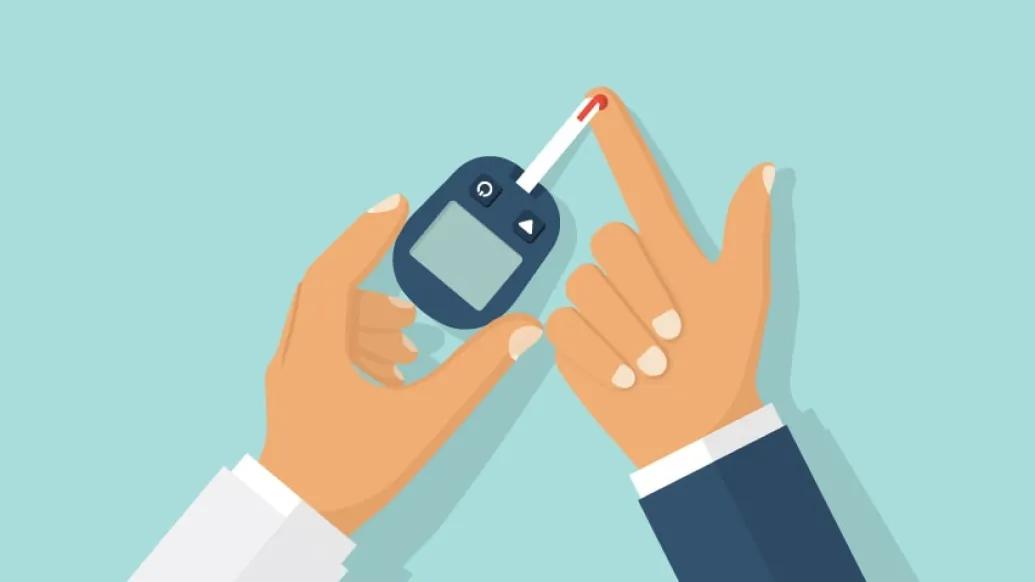
Churches play a central role in many communities, a role that can include preaching the gospel of good health.
That's what inspired Gretchen Piatt, Ph.D., MPH, to develop and launch the Praise Diabetes Project in black churches throughout Detroit. The program trains worship leaders and churchgoers in diabetes self-management support services — and, in turn, helps empower those individuals to hold their own diabetes support groups.
LISTEN UP: Add the new Michigan Medicine News Break to your Alexa-enabled device, or subscribe to our daily audio updates on iTunes, Google Play and Stitcher.
The project marks a five-year effort among researchers in the Department of Learning Health Sciences at the University of Michigan who have studied black Detroit residents with type 2 diabetes.
And it serves a major need. "Type 2 diabetes is the most common form of diabetes, and African-Americans are twice as likely to have it compared to their Caucasian counterparts," says Piatt, an associate professor of learning health sciences at U-M.
"In addition, African-Americans experience higher rates of diabetes-related complications, so translating my work into practice was hugely necessary."
A population in need
Diabetes requires ongoing self-management and support services throughout a person's lifetime. These services could be as simple as classes on meal planning, carbohydrate counting and blood sugar monitoring.
But that's often a challenge for many people with the disease, regardless of ethnicity or income.
MORE FROM THE LAB: Subscribe to our weekly newsletter
"At best, people with diabetes see their health care providers three to four times per year for approximately 15 minutes each time," Piatt says. "This means that the responsibility of diabetes self-management falls on the patients' shoulders 95 percent of the time."
Diabetes education works well to improve outcomes in the short term, she notes. But many people with diabetes can't sustain those improvements without continued support services.
[T]he responsibility of diabetes self-management falls on the patients' shoulders 95 percent of the time.Gretchen Piatt, Ph.D., MPH
A significant challenge: These services are not a covered benefit in the American health care system. Medicare covers only 10 hours of diabetes education and a yearly two-hour "booster session" over a patient's lifetime.
"Because this lack of services is so significant, we saw a critical need to develop, evaluate and understand effective self-management support models for underserved communities," Piatt says.
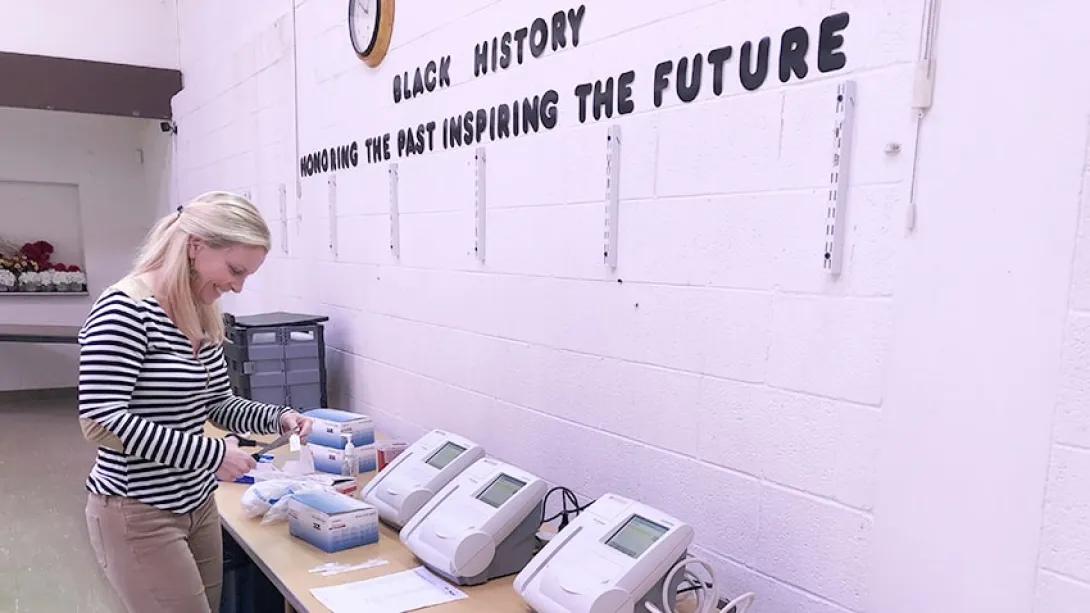
Strength in numbers
Today, the Praise program has grown beyond Detroit to encompass 21 churches and 300 participants in Ypsilanti, Toledo and Flint.
The effort mirrors the purpose of church itself: neighbors helping one another.
"When my pastor first told us that our church was contacted by U-M to participate in the Praise program, I was inspired to become involved," says Carolyn Candie, who now serves as a program peer leader at Hopewell Missionary Baptist Church in Detroit, where she has been a member since 1988.
For Candie, the cause is personal: "I was diagnosed as a prediabetic in 1996 and now, as a 70-year-old retiree, I have realized that through helping others, managing my own health has become easier."
SEE ALSO: Why Screening for Social Determinants of Health Helps Doctors Provide Better Care
There are about 15,000 certified diabetes educators in the United States — a small number compared with the 30 million people living with diabetes. The Praise Diabetes Project aims to increase the flow of information, provide actionable advice and build community among patients.
"Many participants first come to the group feeling lost and unsure of how to manage their disease and subsequently improve their lives," says Candie, who holds monthly sessions at her church.
"I work to empower them with education on how food and exercise affect their glucose levels and how problem-solving can make things easier when it comes to living with type 2 diabetes."
Keeping the faith
According to Piatt's research, Praise Diabetes Project participants have reported improved health after seeking support, including a decrease in A1c levels, a long-term measure of glycemic control that helps prevent health complications associated with diabetes.
There are other benefits, too.
"The emotional investment I have made — and its positive residual impact on my fellow church members — is truly the greatest gift," Candie says. "It's a reminder that sometimes all you need is community to get through the thick of it, even type 2 diabetes."

Health Lab
Explore thousands of health news & research stories by visiting the Health Lab homepage for more.
Media Contact

Public Relations
Department of Communication at Michigan Medicine
Stay Informed
Want top health & research news weekly? Sign up for Health Lab’s newsletters today!
Featured News & Stories

Intermittent fasting can reverse diabetes in mice, study finds
Are you at risk of a genetic disease? Guidelines for testing should be updated, experts say
Small Pauses, Bigger Impact: Mindfulness in Action

FDA approved drug slows type 1 diabetes progression in 5-year-old patient

What’s changing in Medicaid and what can you do?