
Kate McAlpine
Kate McAlpine is a senior news and feature writer in the Communications & Marketing group at the University of Michigan College of Engineering. She writes stories and web content related to several engineering disciplines, including for The Michigan Engineer magazine, and draws on her previous experience as a communicator for two massive high-energy physics research projects. She holds a double bachelor’s degree in writing and physics from Michigan State University.

Health Lab
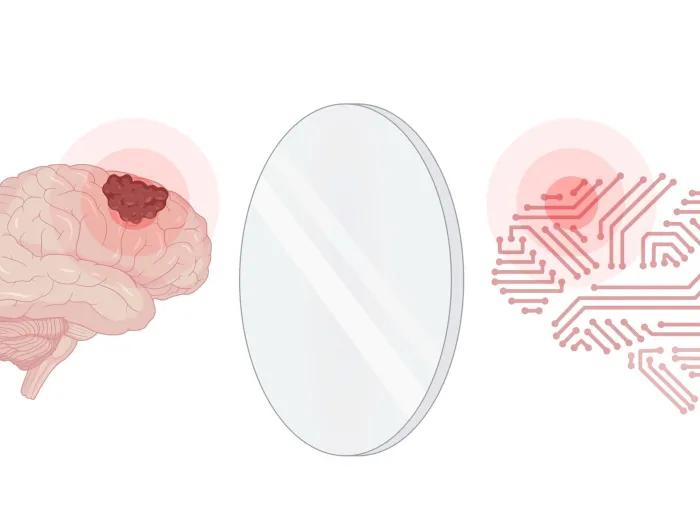
Brain cancer digital twin predicts treatment outcomes
A machine-learning-based approach to mapping real-time tumor metabolism in brain cancer patients, developed at the University of Michigan, could help doctors discover which treatment strategies are most likely to be effective against individual cases of glioma.
Health Lab
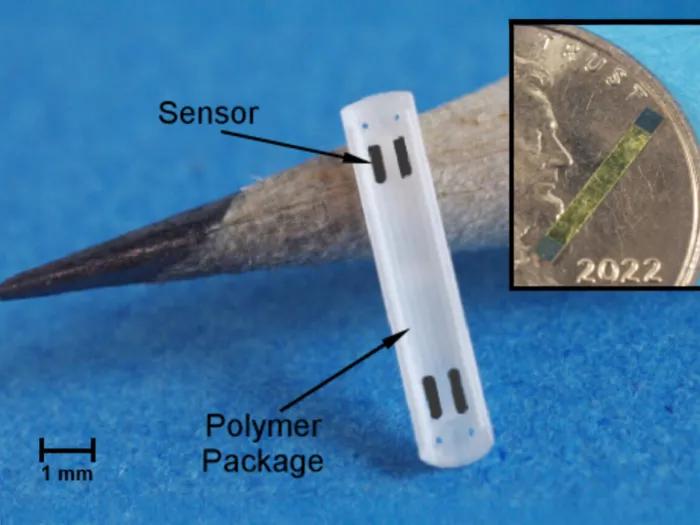
Stent sensor can warn of blockages in the bile duct
Currently, medical providers monitor biliary stent blockages through blood tests, meaning the problem must be significant enough for the body to notice. A sensor within the stent could enable doctors to recognize that bacterial sludge is accumulating and intervene before the patient begins to fall ill.
Health Lab
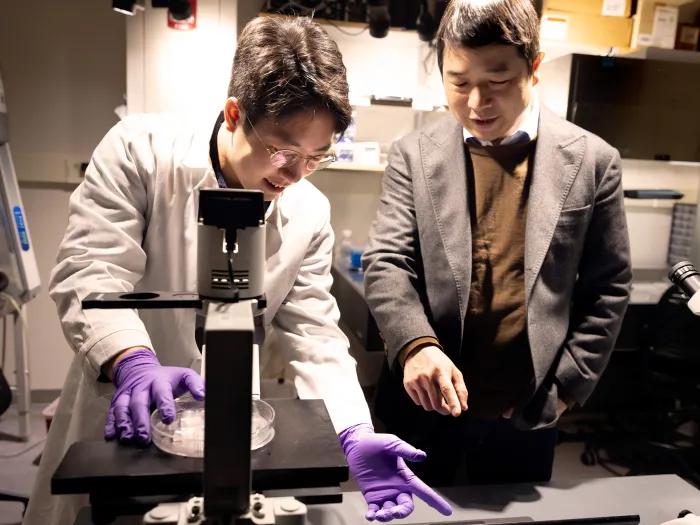
Human stem cells coaxed to mimic the very early central nervous system
The first organized stem cell culture model that resembles all three sections of the embryonic brain and spinal cord could shed light on developmental brain diseases
Health Lab
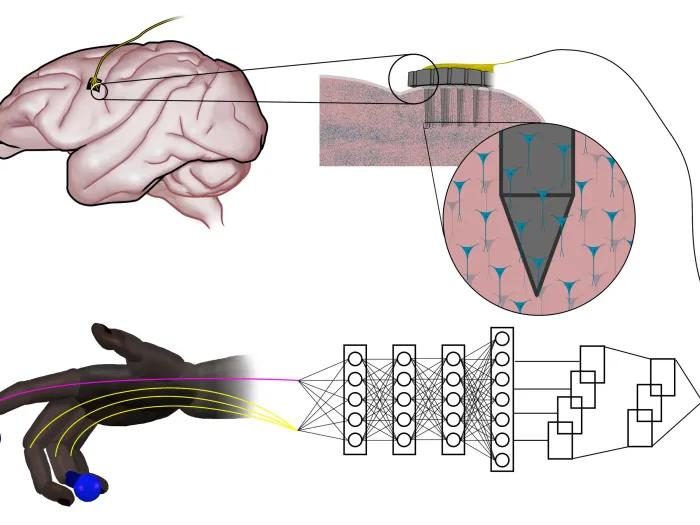
Simple neural networks outperform the state-of-the-art for controlling robotic prosthetics
Simple neural networks outperform the state-of-the-art for controlling robotic prosthetics
Health Lab
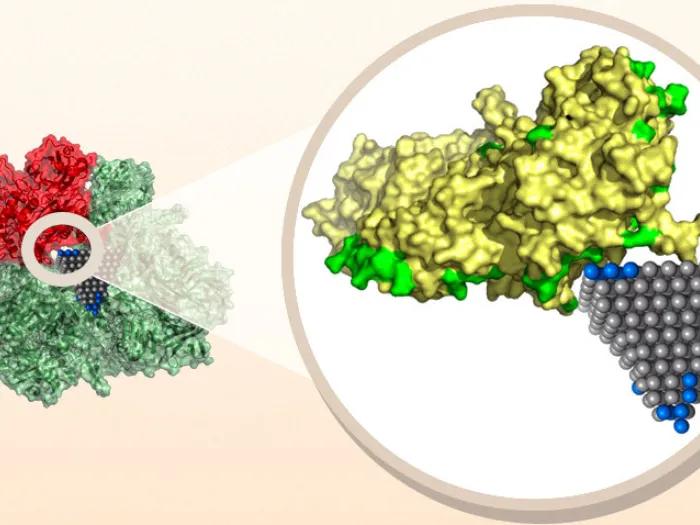
Nanobiotics: Model predicts how nanoparticles interact with proteins
Nanoengineered drugs that stop harmful bacteria and viruses could be on the horizon.
Health Lab
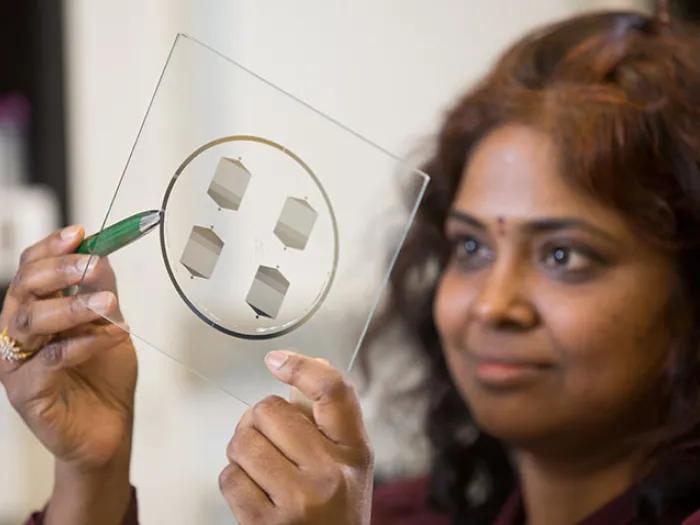
Biopsy Alternative: ‘Wearable’ Device Captures Cancer Cells From Blood
By capturing more cancer cells than blood draw screening, this device could help doctors understand a tumor’s biology and make decisions about treatment.
Health Lab
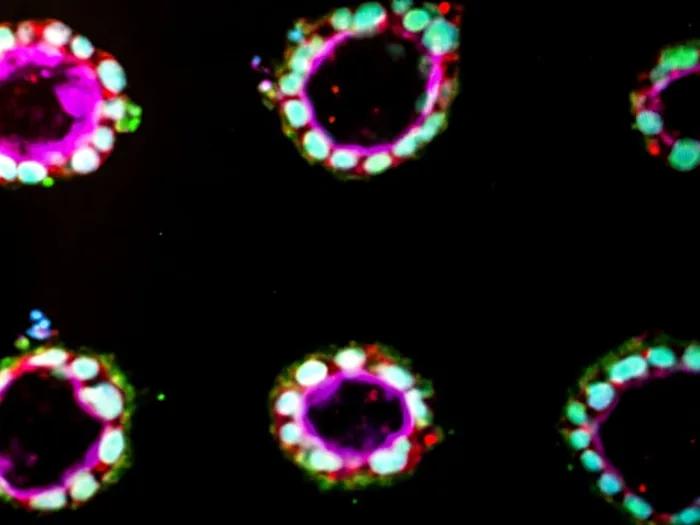
Using Stem Cells, Scientists Study the Amniotic Sac’s Earliest Stages
U-M scientists crated amniotic sac tissue from human stem cells. Learn how lab created amnion could assist with fertility medicine and large wound treatment.
