
Kara Gavin
Research and Policy Media Relations Manager
Gavin draws on more than 25 years of experience in communicating about science, medicine and health policy. She focuses mainly on the health services research done by members of the U-M Institute for Healthcare Policy and Innovation, who work to understand and improve the safety, quality, equity and affordability of health care. As part of the Michigan Medicine communication team, she has lead responsibility for primary care and mental health topics. Contact: [email protected]; Twitter: @Karag

Health Lab
Hospitals Can Break Through the ‘Wall of Silence’ with New Toolkit
New tools help hospitals change their approach to handling patient harm. See how this approach has impacted the number of lawsuits and malpractice cases.

Health Lab
Surgery Surprise: Small, Rural Hospitals May Be Safer for Common Operations
Critical access hospitals work well for straightforward surgical cases in healthy, uncomplicated patients, an analysis finds.

Health Lab
The 40-Year Path to a New Drug for a Rare Disease
Cerdelga, from University of Michigan, treats Gaucher without the need for biweekly two-hour intravenous medications. Discover more about Cerdelga capsules.
Health Lab
Just 5% of Patients Account for a Third of ICU Time
University of Michigan study shows that persistent critically ill patients, 5% of all ICU patients, use 33% of of health care resources.

Health Lab
Syrian Hospital Bombing Highlights Plight of Medical Teams in Conflict Zones
As violence has unfolded at hospitals in Aleppo, University of Michigan researchers call for an international stance against violations of medical neutrality.

Health Lab
Taking an At-Home Genetics Test? You Might Still Want to See a Counselor
University of Michigan genetic counselor explains the new wave of at-home genetic tests and the importance of reviewing those tests results with a professional.
Health Lab
Study Pinpoints Genetic Markers That Influence Addiction
Researchers at the University of Michigan found that rats with specific genetic markers were more likely to become addicted to cocaine than those without it.

Health Lab
Taking the Fight Against Risky Opioid Use to the ER
A University of Michigan study has found a single half-hour session with a trained therapist during an ER visit was enough to reduce opioid painkiller abuse.

Health Lab
Could a Brain ‘Growth Chart’ Spot Attention Problems Early On?
Medical Research at the University of Michigan suggests it might be possible to use growth charts for brain networks to identify signs of attention difficulties
Health Lab
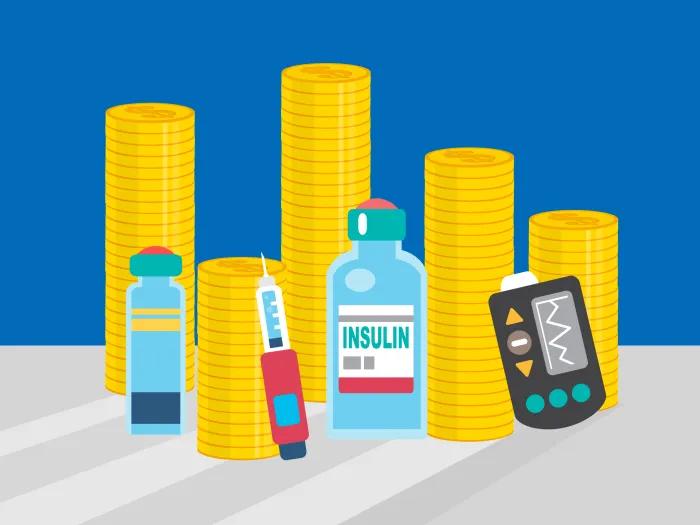
Sugar Shock: Insulin Costs Tripled in 10 Years
Research from the University of Michigan shows yearly spending on insulin has tripled. Insulin costs are raising faster than other blood sugar medications.

Health Lab
For Veterans With PTSD, Mindfulness Training Shows Promise
A University of Michigan Medical School study suggests that mind-body techniques are effective for managing PTSD in veterans in as little as four months.

Health Lab
How Research Brightens the Bipolar Disorder Outlook
Researchers at the University of Michigan published a study that could help many bipolar patients, and their care teams, stay the course on treatment.

Health Lab
For Doctors Behaving Badly, Punishments Vary by State
The first nationwide academic study of physician disciplinary actions and malpractice claims rates shows a lack of standardization across the country.

Health Lab
ECT’s Uncertain Future
The FDA may reclassify electroconvulsive therapy devices from class III to class II. The FDA is accepting public comments on the change until March 28.

Health Lab
Ancient Viruses Lurk in Our DNA
Researchers at the University of Michigan Medical School made the medical discovery that ancient viruses that infected our ancestors still remain in our genes.
