
Kara Gavin
Research and Policy Media Relations Manager
Gavin draws on more than 25 years of experience in communicating about science, medicine and health policy. She focuses mainly on the health services research done by members of the U-M Institute for Healthcare Policy and Innovation, who work to understand and improve the safety, quality, equity and affordability of health care. As part of the Michigan Medicine communication team, she has lead responsibility for primary care and mental health topics. Contact: [email protected]; Twitter: @Karag


Health Lab
Need Health Insurance in 2019? Now’s the Time to Act
Whether you buy healthcare thru your employer or the ACA marketplace, here are 7 things to know before the 2018 health insurance open enrollment period starts.
News Release
Painkillers and other drugs cluttering your medicine cabinet? Get rid of them safely at Michigan-wide drug take back event Oct. 27
They’re hiding in the backs of medicine cabinets across Michigan: drugs that no one needs, and that could pose a risk to children, teens, adults and the environment.
Health Lab
Study: Risky Sedative Prescriptions for Older Adults Vary Widely
Benzodiazepine prescribing is most intense in the South and in economically disadvantaged counties. It’s also a more common among older male primary care physicians.

Health Lab
Study Uncovers Disparities in Life-Threatening Birth Experiences
A review of data from millions of U.S. births finds higher rates of dangerous delivery-related conditions in new mothers of color and those with certain underlying health conditions.
Health Lab
Older Adults Have High Interest in Genetic Testing — and Some Reservations
More than 1 in 10 people ages 50 to 64 have had genetic tests ordered by a doctor or ordered them directly, a new survey finds. Others say they’re interested, but many have concerns.
Health Lab
Full, but Still Feasting: How the Urge to Eat Overpowers the Signal to Stop
Two tiny groups of brain cells, right next to each other, play a key role in driving feeding – and stopping. The brain’s own opioid system also gets involved
Health Lab
How Medicaid Expansion Gave Enrollees a Major Financial Boost
Health care coverage for low-income patients produces fiscal benefits that include lower unpaid debts, fewer bankruptcies and higher credit scores.
Health Lab
Why Aren't More STD Patients Getting This Proven Treatment?
Expedited partner therapy is a federally recommended treatment approach for STDs but several barriers prevent antibiotics from being administered quickly. Learn more.

Health Lab
1 in 4 Older Patients Stay on Risky Sedative Too Long
Benzodiazepines pose special risks to older adults. New research finds many of those who start taking them aren’t stopping.
Health Lab
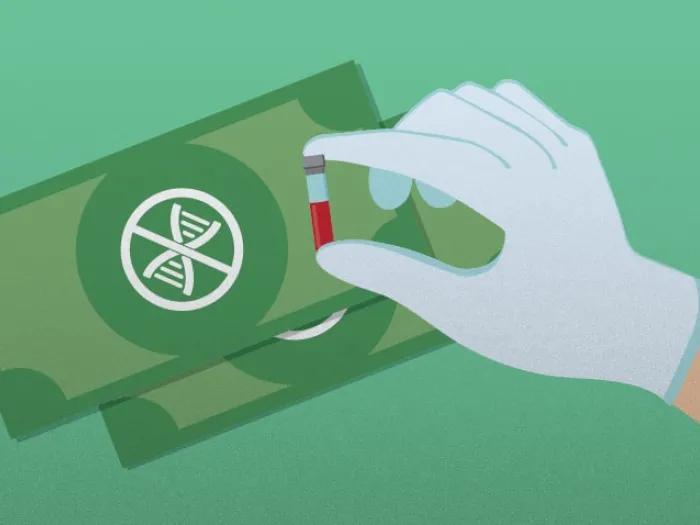
Survey Offers Hospital Biobanks a Lesson in Gaining Patient Trust
Universities that sell access to their biobanks to private companies should tell patients and be transparent about how profits are used, a new survey shows.
News Release
Michigan physicians save Medicare $45.5 million, while improving care for Michiganders
For the fifth year in a row, ten Michigan physician organizations have improved care for more than 113,800 Medicare participants across the state, while making a positive difference in the cost of that care.
Health Lab
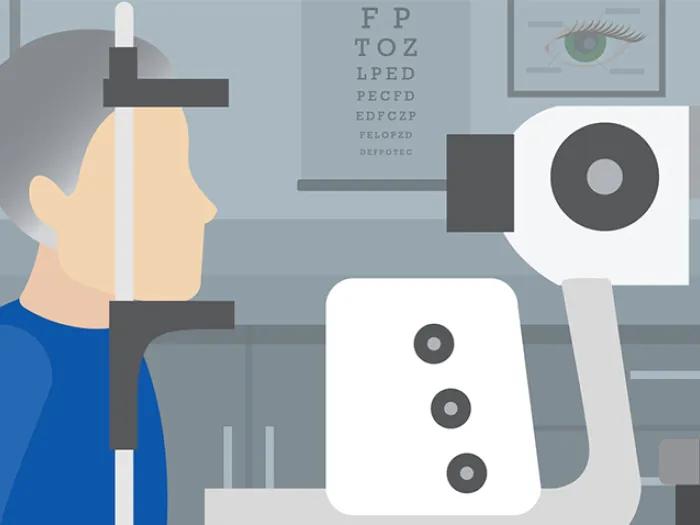
Primary Care Providers Play a Key Role for Patients’ Aging Eyes
Focusing on those with the highest risk of vision problems — as well as sensitivity to costs — could help improve eye care decisions for people over 50, a new poll finds.

Health Lab
Affordable Meds Help Younger Stroke Survivors Manage Adherence
Younger stroke survivors are having less trouble paying for medications that can stave off a second stroke, thanks to expanded Medicaid and other ACA provisions.
Health Lab
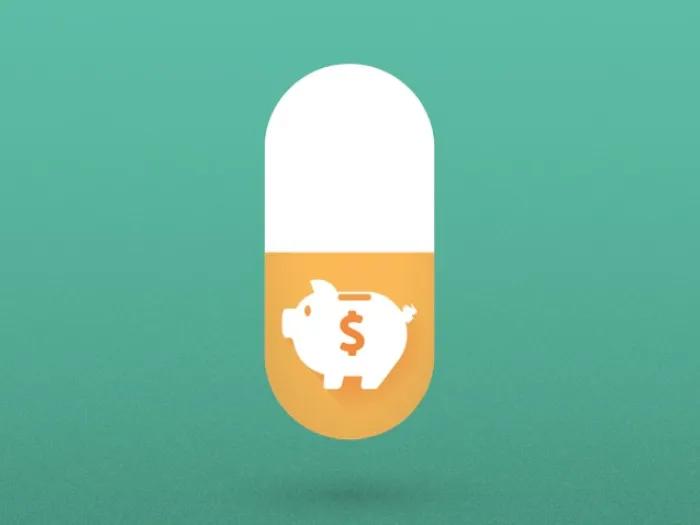
Study: Higher Medication Spends for Insurers Saves Money Later
Making patients’ medication costs more affordable helps ensure compliance, a new study shows. And the investment can avoid costlier care in the future.

Health Lab
As Medicaid Work Requirements Grow, U-M Experts Offer Advice
New Medicaid work requirements rules in several states mean low-income people will have to work, or prove they’re too unhealthy to work.
