
Kara Gavin
Research and Policy Media Relations Manager
Gavin draws on more than 25 years of experience in communicating about science, medicine and health policy. She focuses mainly on the health services research done by members of the U-M Institute for Healthcare Policy and Innovation, who work to understand and improve the safety, quality, equity and affordability of health care. As part of the Michigan Medicine communication team, she has lead responsibility for primary care and mental health topics. Contact: [email protected]; Twitter: @Karag


Health Lab
Older Adults and Antibiotics: Study Shows Healthy Attitudes but Unhealthy Practices
Many take leftover doses from previous prescriptions, and expect new prescriptions for non-bacterial illness.

Health Lab
As Insurers End Grace Period for COVID-19 Hospital Costs, Study Estimates Potential Bills
Hospital care for COVID-19 has been free to most patients but insurance companies may be ending that; a study of flu-related hospital bills suggests a coronavirus hospital stay could now cost $1,000 on average.

Health Lab
Irregular Sleep Connected to Bad Moods and Depression, Study Shows
Irregular sleep schedules can affect mood and risk of developing symptoms of depression according to a study of first-year medical residents that used Fitbits and smartphones.
News Release
U-M Depression Center enters 20th year with new director and focus on next-generation research
U-M Depression Center’s leadership passed to a new generation, as the U-M Board of Regents approved Srijan Sen, M.D., Ph.D., as its next director.
Health Lab
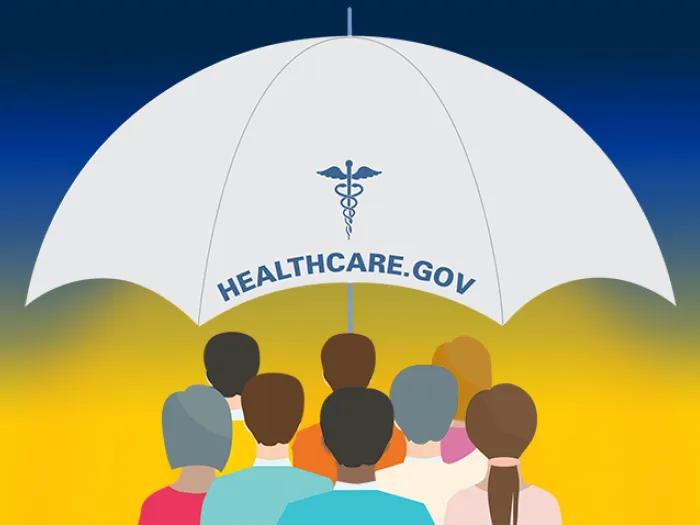
A Double Dose of Good News on Health Insurance
A special Open Enrollment period for healthcare.gov insurance plans, and new price transparency rules for hospitals, mean good news for health insurance consumers.
Health Lab
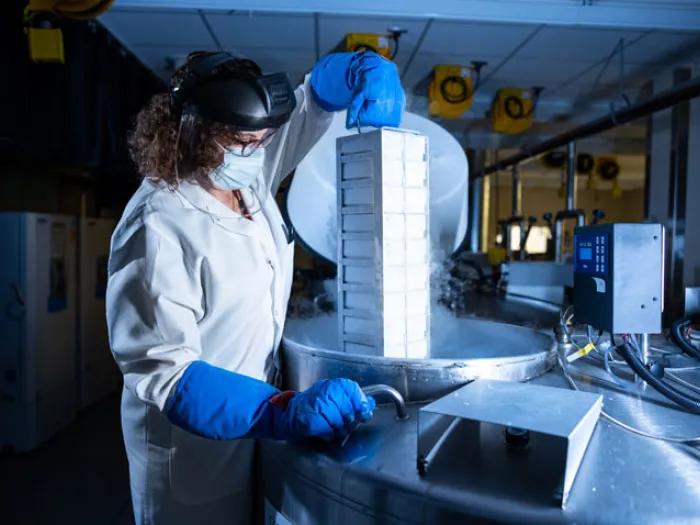
Cold is gold for COVID-19 scientists
A biorepository of samples from people with COVID-19 is on ice in the same kind of -80 freezers that are used to store vaccines.

Health Lab
Indoors and Outdoors, COVID-19 Reveals Unequal Access
Isolation of a person with COVID-19 within a house or apartment is important for keeping coronavirus from spreading to the people they live with, but a study shows disparities in access to isolation spaces.

Health Lab
Your Smartphone Can Help Fight COVID. Here’s How.
COVID-19 vaccine reaction trackers and exposure alerts are just two of the ways to use the smartphone in your pocket against the coronavirus pandemic.

Health Lab
County by County, Study Shows Social Inequality in COVID-19’s Toll
Counties that score worst on measures of poverty, economic inequality, housing, food access, family structure, transportation, insurance and disability had far more cases and deaths from coronavirus in the first months of the pandemic.

Health Lab
Controlling Pain After Surgery Doesn’t Have to Mean Opioids, Study Shows
Pain control after elective surgery does not have to include opioids to achieve good patient satisfaction without risk of addiction or diversion.

Health Lab
Pain Patients Who Take Opioids Can’t Get in the Door at Half of Primary Care Clinics
People who take opioid pain medications on a long-term basis may face stigma when they try to find a new doctor.
Health Lab
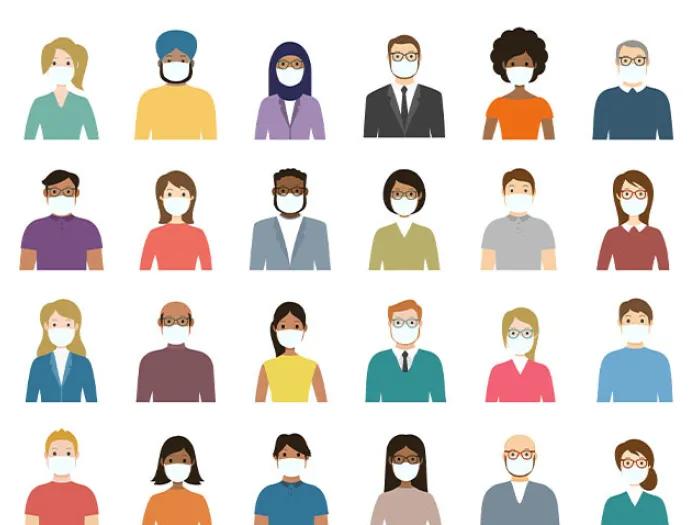
It’s Time To Make the Most of Masks. Here’s 11 Ways To Do It
New variants of the coronavirus make masks even more important in the COVID-19 pandemic. Tips for wearing, washing and choosing a mask.
Health Lab
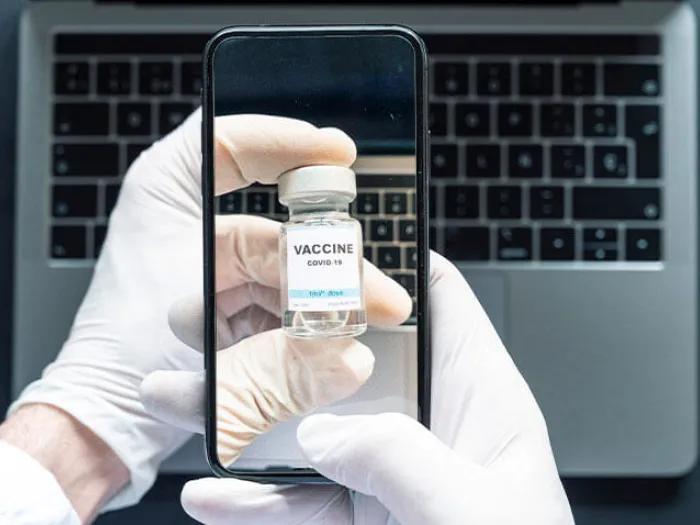
45% of Adults Over 65 Lack Online Medical Accounts, Which Could Affect COVID-19 Vaccination
Patient portals, online accounts that let patients see their medical records, will be important for COVID-19 vaccine appointment alerts and signups, but 2 in 5 older adults haven’t set up an account.

Health Lab
COVID-19 Deaths Really Are Different. But Best Practices for ICU Care Should Still Apply
Do COVID-19 patients really die of COVID? A new study helps put to rest conspiracy theory and shows the importance of evidence-based ICU care for ARDS.
News Release
More Michigan Medicine patients will get hospital-level care at home through new programs
Michigan Medicine is the first hospital in Michigan to be accepted into the Acute Hospital Care at Home program of the federal Centers for Medicare and Medicaid Services.
