
Kara Gavin
Research and Policy Media Relations Manager
Gavin draws on more than 25 years of experience in communicating about science, medicine and health policy. She focuses mainly on the health services research done by members of the U-M Institute for Healthcare Policy and Innovation, who work to understand and improve the safety, quality, equity and affordability of health care. As part of the Michigan Medicine communication team, she has lead responsibility for primary care and mental health topics. Contact: [email protected]; Twitter: @Karag


Health Lab
What Lies Ahead for the Affordable Care Act?
A key Supreme Court ruling expected soon, and other policies and proposals playing out at the state and federal level.

Health Lab
Confused About the Latest Mask Rules? Read This
Vaccinated and unvaccinated people now have different mask rules to live by and they vary by setting, plus immunocompromised people and others may want to voluntarily wear a mask.

Health Lab
Stop Procrastinating on These Key Health Checks
If you put them off because of the pandemic, now’s the time to get them scheduled.
Health Lab
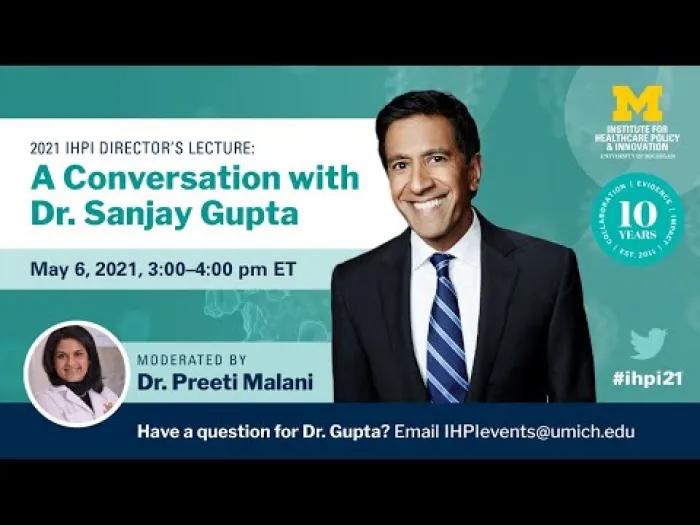
A Year-Long Sprint: Sanjay Gupta Reflects on Communications and the Pandemic
CNN health reporter Sanjay Gupta discusses a wide range of health communication topics and his personal experiences.
Health Lab
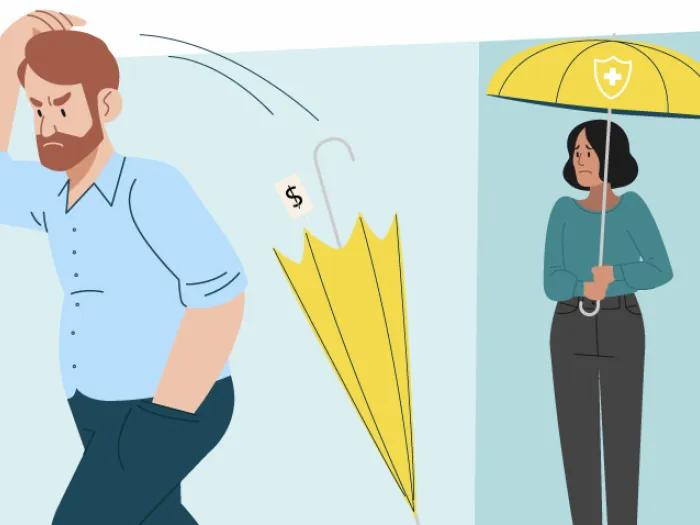
Even Small Health Insurance Bills May Cause Healthy Low-Income People to Drop Coverage
Requiring cost-sharing of people in Medicaid expansion programs just above the poverty line leads to adverse selection, Michigan study finds.
Health Lab
Patient Support Programs for Painful Conditions May Reduce Opioid Use
Study in people taking a biologic drug for autoimmune diseases shows association of patient support programs with reduced chance of starting opioid pain medicines or continuing on them.

Health Lab
Pandemic Worsened Many Older Adults’ Mental Health and Sleep, Poll Finds, But Long-Term Resilience Also Seen
Many older adults say the pandemic has affected their mental health, including depression, anxiety and sleep problems. But most say they would be willing to seek care if they needed it.
Health Lab
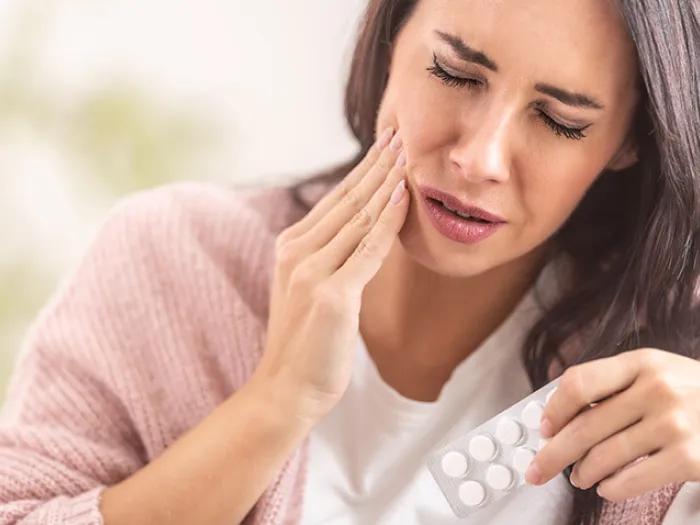
Treating Dental Pain with Opioids Linked to Higher Risk of Overdose in Patients and Family Members
Patients whose dental pain was treated with opioids such as oxycodone and hydrocodone were more likely to have an overdose within 90 days, as were their family members.
Health Lab
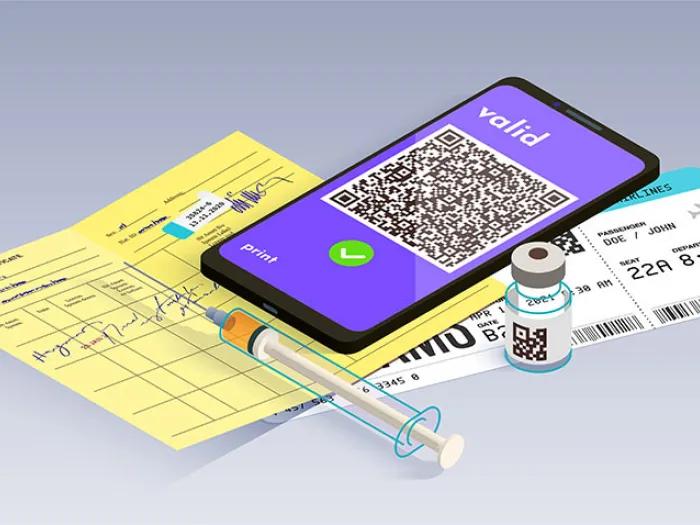
Who Has a Right to Ask if You’re Vaccinated?
Vaccine passports, HIPAA medical privacy rights and COVID-19 vaccination controversy is manufactured and not rooted in public health law.
Health Lab
New Data Could Inform Youth-Focused Pandemic Messaging
Polls of people aged 14 to 24 about masks, distancing and more show the importance of focusing communications on protecting others,
Health Lab
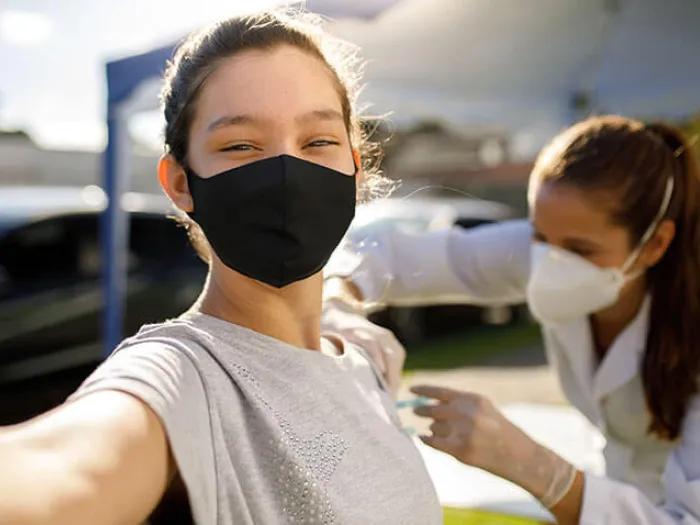
Most Young People Eager for COVID-19 Vaccine, Poll Shows
Teens and young adults are increasingly eager to get vaccinated against coronavirus but a minority, including many Black teens, express the same vaccine hesitation as older adults.

Health Lab
Epidemic of Firearm Injury Spurs New Wave of Research
Firearm injuries and deaths, from mass shootings to suicides, are a public health epidemic, but research on gun injury and death has lagged. New injury prevention studies could change that.
Health Lab
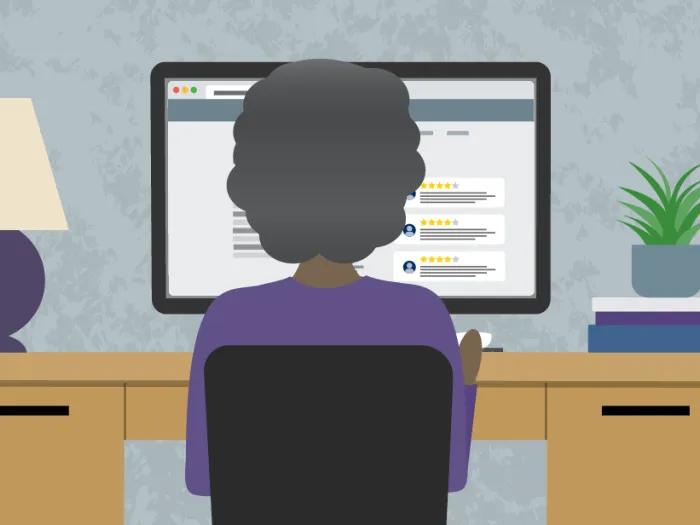
Convenience Over Reputation: Study Looks at How Older Adults Pick a Doctor
Online doctor ratings may promise a better way to find a doctor but a poll shows most older adults don’t consider them very important when choosing a physician.
Health Lab
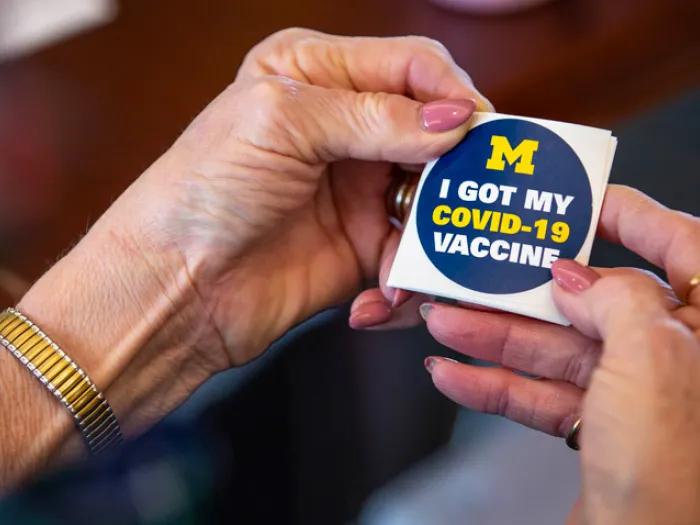
So You Got Vaccinated Against COVID-19. Now What?
After your vaccinated can you go out in public? Could you still get sick? Do you have to quarantine? Answer to common questions about COVID-19 vaccines.
Health Lab
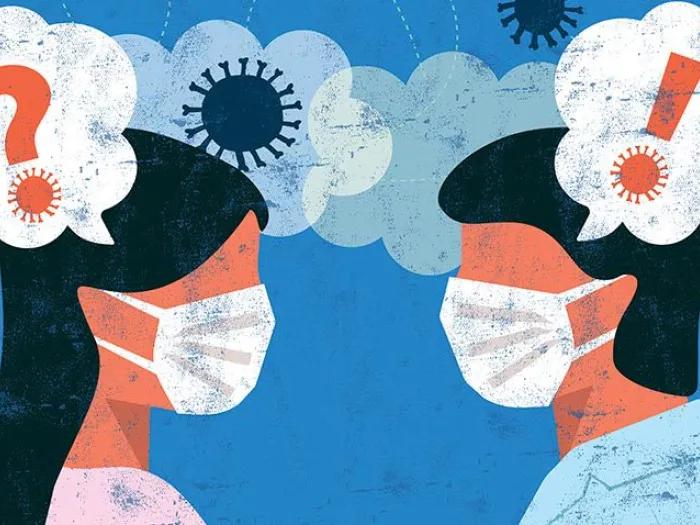
Confused About What to Do After a COVID Test or Exposure? Start Here
Do you have to quarantine if you’ve gotten the COVID-19 vaccine? Who has to go into isolation after a coronavirus exposure, and for how long? A handy guide.
