
Kara Gavin
Research and Policy Media Relations Manager
Gavin draws on more than 25 years of experience in communicating about science, medicine and health policy. She focuses mainly on the health services research done by members of the U-M Institute for Healthcare Policy and Innovation, who work to understand and improve the safety, quality, equity and affordability of health care. As part of the Michigan Medicine communication team, she has lead responsibility for primary care and mental health topics. Contact: [email protected]; Twitter: @Karag
Health Lab
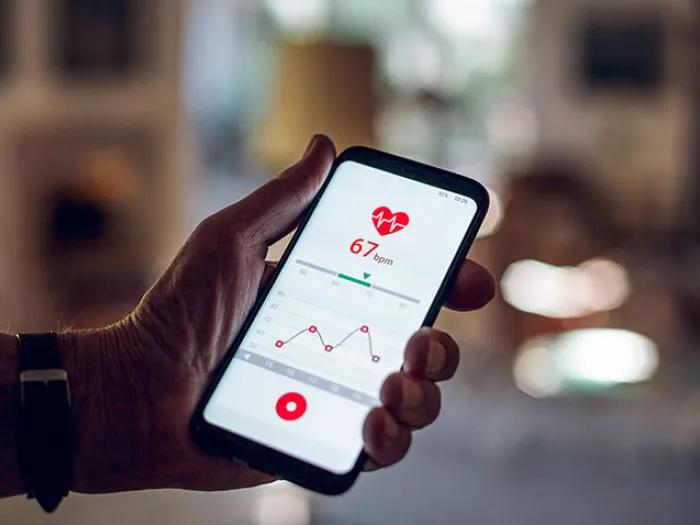
Health apps could help older adults, but most don’t use them
Mobile apps for smartphones and tablets are available to help older adults monitor and manage weight, exercise, mood, diabetes, sleep and more, but a poll shows many who could benefit don’t use them.
Health Lab
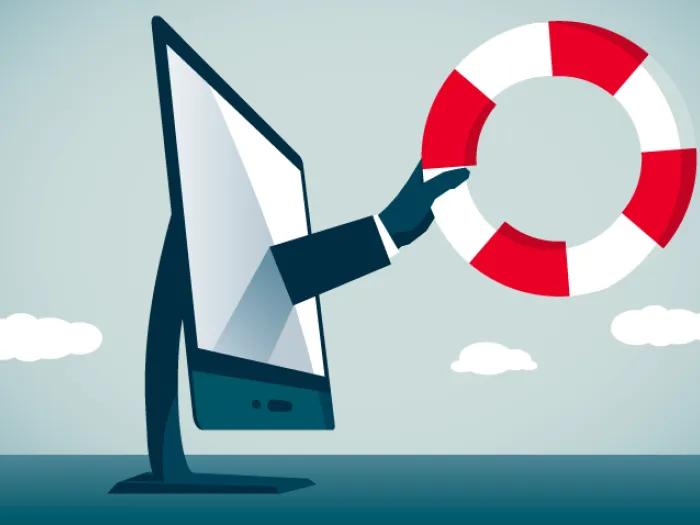
Where mental health help is scarce, telehealth makes a big difference
People with post-traumatic stress disorder (PTSD) and/or bipolar disorder living in rural areas engaged well with telehealth-based telepsychiatry, though the one who received local psychotherapy completed more sessions
Health Lab
Prevention suffers when doctors drop out of Medicare’s ACO program
Older adults got less diabetes and cholesterol screening when their primary care practice or health system left the Shared Savings Program.

Health Lab
Most older adults support steps to reduce firearm injury risk
Gun owners and non-firearm owners over 50 agree with measures to reduce firearm injury and death, including suicide, and accidental shooting. But many gun owners don’t practice safe storage even if children are in their home, the study shows.
Health Lab
Better education needed about oral sex disease risk, poll of young people shows
Most teens and young adults underestimate sexually transmitted infection risk, and feel their generation needs better information.
Health Lab
Suffering from surge stress? 9 things to do right now
COVID-related shame, guilt, apathy and stress are affecting many people, including those who have been careful to do everything right and still gotten sick. Tips for self-care during the omicron surge.

Health Lab
Turning a psychiatric crisis into a chance to prevent firearm injury
Gun locks can reduce the risk of suicide, accidental injury and other firearm violence. A new program focuses on getting them into the hands of people at highest risk through the psychiatric emergency room.
Health Lab
Ivermectin Rx for COVID-19: Insurance coverage doesn’t match evidence
Study shows health plans paid most of the cost of ivermectin, despite drug’s lack of effect on COVID-19.
Health Lab
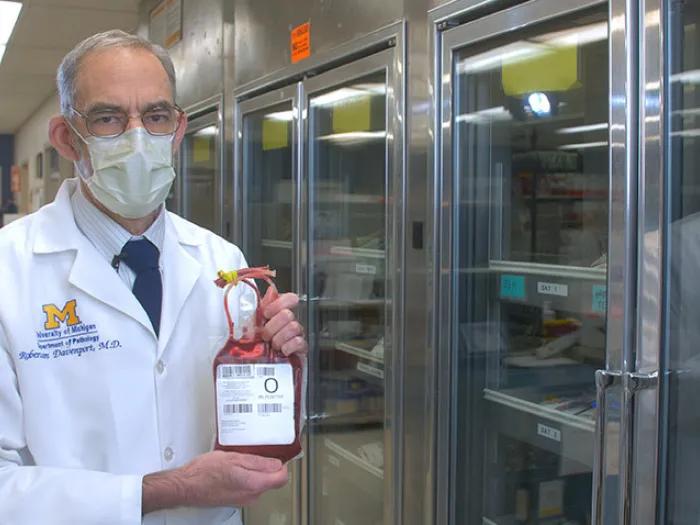
Bare shelves in the blood bank means threat to patient care
A critical shortage of blood threatens the ability to do organ transplants and care for patients with cancer and injuries, so blood donors should make appointments immediately.
Health Lab
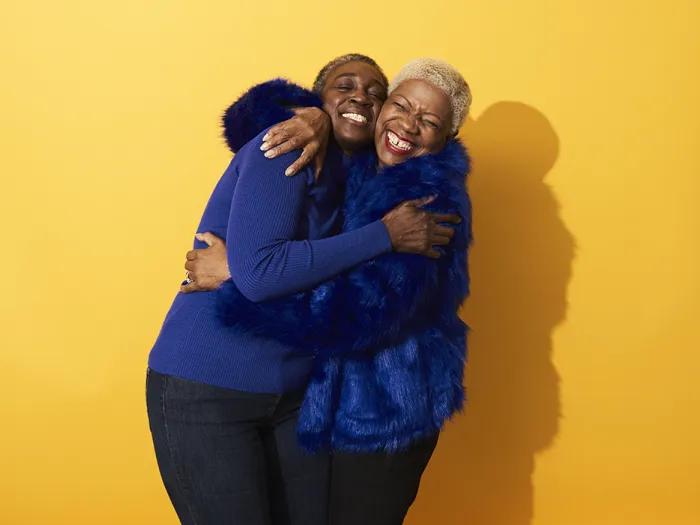
Pandemic stress weighs heaviest on least-healthy older adults
Many are feeling stressed by the pandemic, especially those with underlying health and mental health conditions. But others are finding ways to experience joy and public health messaging should help them understand better how to enjoy activities safely
Health Lab
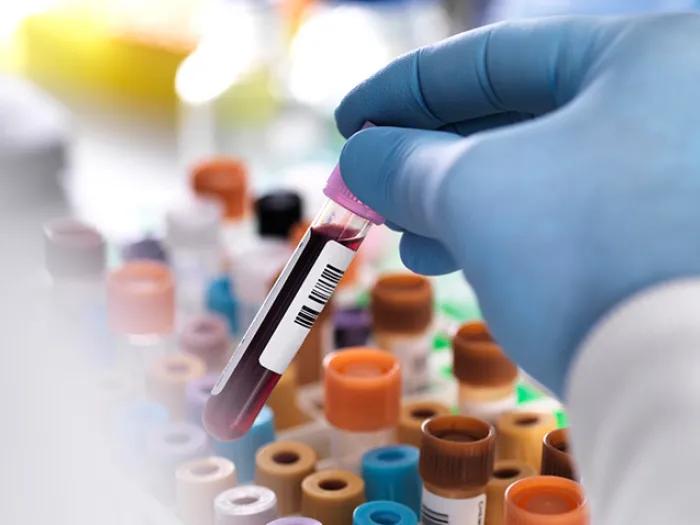
How bias can creep into medical databanks that drive precision health and clinical AI
Racial and ethnic diversity in biobanks and genetic databases is crucial for the accuracy of artificial intelligence (AI), machine learning and biomarker research and products but a new study shows how bias can creep in.

Health Lab
Open talk, open door: Helping kids, teens after a school shooting
The school shooting Nov. 30, 2021 in Oxford, Michigan may cause mental distress and trauma in children and teens, on top of the effects of dealing with the COVID-19 pandemic. Tips and links to help families cope.
Health Lab
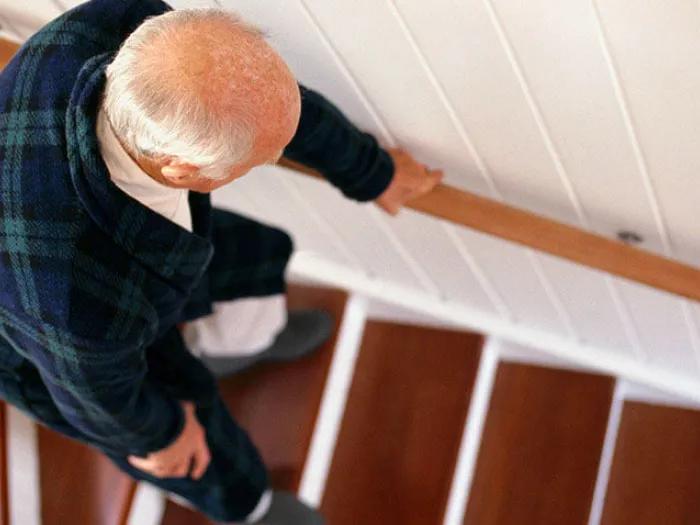
Visiting older relatives? Help spot and fix fall risks
Trips, slips and falls are a major cause of injury, hospitalization and death in older people but prevention can start with quick fixes in their homes that you can make during a holiday visit

Health Lab
Many older Americans plan to take long trips soon, but may alter plans if COVID spikes at their destination
Many seniors plan to travel for the holidays and take long vacations in 2022 but need to keep COVID, telehealth rules and other health needs in mind.
Health Lab
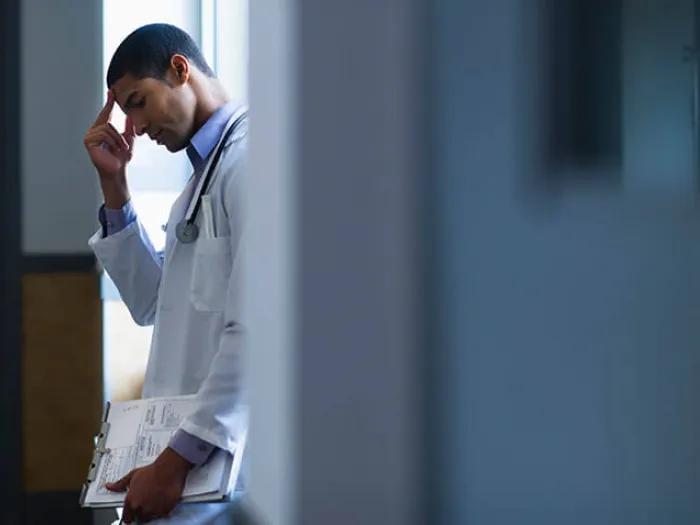
Medical training takes a mental toll, but less of one than it did a decade ago
First-year medical residents, called interns, still face a high rate of depression but duty hour reductions in GME and better access to mental health care may have reduced their risk in the last decade.
