
Kara Gavin
Research and Policy Media Relations Manager
Gavin draws on more than 25 years of experience in communicating about science, medicine and health policy. She focuses mainly on the health services research done by members of the U-M Institute for Healthcare Policy and Innovation, who work to understand and improve the safety, quality, equity and affordability of health care. As part of the Michigan Medicine communication team, she has lead responsibility for primary care and mental health topics. Contact: [email protected]; Twitter: @Karag


Health Lab
Dementia diagnosis often comes as part of costly crisis
Medicare costs around the time of a dementia diagnosis are much lower for older adults screened proactively rather than those diagnosed while experiencing a health issue

Health Lab
Aging well in a pandemic: Older adults share what it takes
The pandemic took a toll on older adults, but especially on those whose physical or mental health was already suffering, a new poll shows. This group may need extra support to age as well as possible.
Health Lab
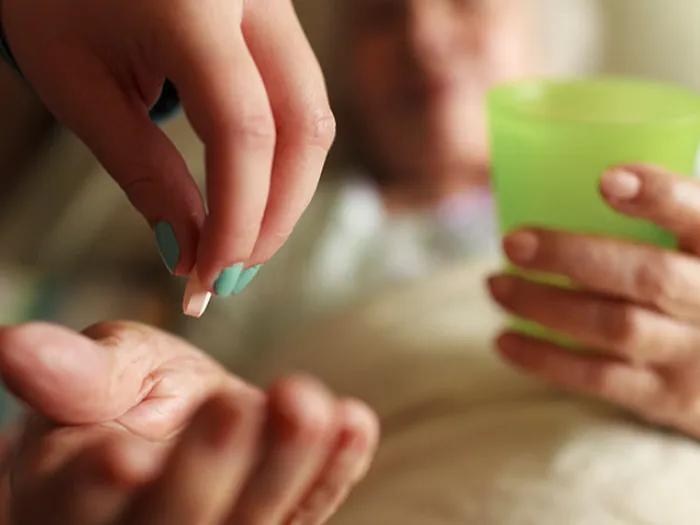
Hospices vary widely in prescribing “comfort kit” medications
Hospices often prescribe medicines like Xanax, Haldol and Seroquel to patients to ease end-of-life symptoms, but a new study shows very wide variation in the chances patients will get these drugs.

Health Lab
Poll shows impact of menopause and other health issues on older women’s sex lives
Sexual health is linked closely to physical and mental health for older women, with menopause playing a big role, a new poll finds.
Health Lab
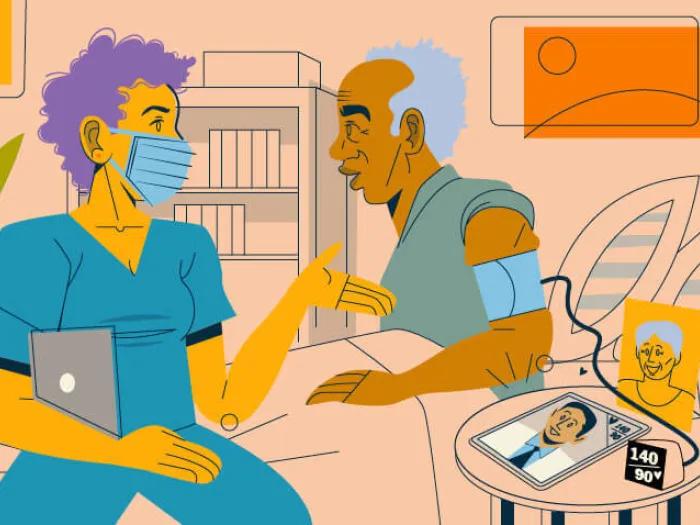
Home is where the hospital is
Hospital at home programs, and remote patient monitoring from home, hold promise for discharging patients earlier or keeping them out of the emergency room or hospital. But policy decisions will affect their future.

Health Lab
Studies show special mental health risks for certain groups of new doctors
First-year surgery residents, and first-year medical residents in all fields who are members of sexual minorities such as LGBTQ+, are more likely than others to develop depression during the stressful training period.
News Release
Michiganders: It’s time for “spring cleaning” in your medicine cabinet
On Saturday, April 30, Michigan residents in 13 counties have a chance to get opioids and other unused and expired prescription medications out of their medicine cabinets through 29 simultaneous events held around the state.

Health Lab
How can we reduce the firearm death toll in older adults?
Data-driven approach suggests more locked-storage assistance is needed, as well as tailored risk reduction approaches for those with memory and mental health concerns.

Health Lab
Want to “age in place” someday? Take action now
More older adults want to age in place in their own homes; renovations and little adaptations, as well as financial planning, can help.

Health Lab
What has the pandemic taught us about public health?
Joneigh Khaldun led pandemic response for Michigan; she reflects on how public health partnerships, messaging and budgets affected outcomes.

Health Lab
What drives racial and ethnic gaps in Medicare’s quality program?
Study points to role of primary care received outside an Accountable Care Organization’s network, and the importance of coordination and access

Health Lab
Most adults want to ‘age in place’ but many haven’t taken steps to do so
Most older Americans want to remain in their home as they age, but a new National Poll on Healthy Aging shows many haven’t taken steps to improve safety, reduce fall risks or get help from others.

Health Lab
Half of older adults now die with a dementia diagnosis
More awareness and more detailed health records may explain rise; end-of-life care shifting as diagnoses allow for more advance planning.
Collections
Generous gift from LSO founder and wife makes the orchestra’s future bright
Michael DiPietro, M.D., and his wife Alice Fishman have helped ensure that the LSO will endure far into the future, with a generous gift that helps create an endowment for the orchestra.

Health Lab
Medicaid community health workers have positive impact on care
Rigorous evaluation of real-world program shows emergency care and costs went down, while outpatient care went up, among low-income Detroit residents who connected with a CHW.
