
Kara Gavin
Research and Policy Media Relations Manager
Gavin draws on more than 25 years of experience in communicating about science, medicine and health policy. She focuses mainly on the health services research done by members of the U-M Institute for Healthcare Policy and Innovation, who work to understand and improve the safety, quality, equity and affordability of health care. As part of the Michigan Medicine communication team, she has lead responsibility for primary care and mental health topics. Contact: [email protected]; Twitter: @Karag

Health Lab
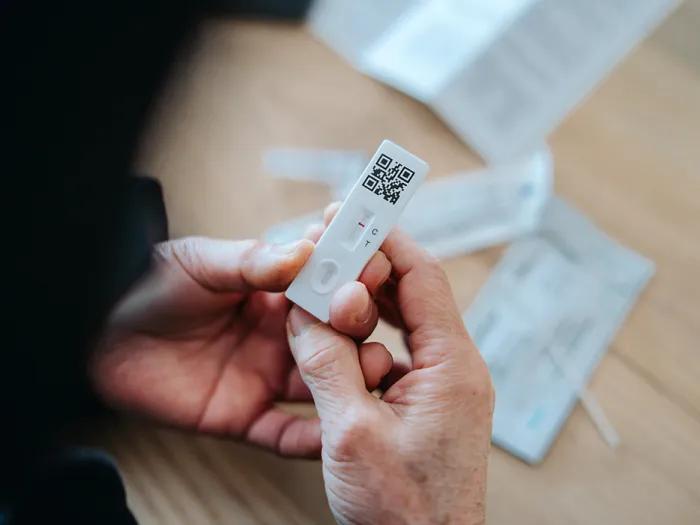
Medical tests at home: Poll shows high interest, uneven use
Direct-to-consumer home-based tests for infections, cancer, genetic traits and more are widely available but regulation, authorization or approval by FDA is not always clear.

Health Lab
Opioid addiction treatment disparities could worsen if phone telehealth option ends, study suggests
Veterans receiving buprenorphine were more likely to stay on it if they had virtual visits, but phone-based virtual care was especially prominent among those who are Black or lack stable housing.

Health Lab
An emergency in U.S. emergency care
Full emergency rooms, made worse by hospital staffing shortages, have led more patients to leave without being seen or to wait for hours in the emergency department for a hospital bed

Health Lab
Nine ways to prevent firearm tragedies near you
More injuries and deaths from firearms, including guns and rifles, could be prevented if parents and others took steps to lock weapons up, report problem behavior and teach children safety

Health Lab
High blood pressure speeds up mental decline, but does not fully explain dementia disparities
High blood pressure means faster slide into signs of dementia or Alzheimer’s, but does not explain the overall disparity between Hispanic/Latino people and non-Hispanic people in dementia risk.
News Release
Michigan Medicine joins national campaign to address firearms as leading cause of death in kids
Firearms are now the leading cause of death for children, according to a University of Michigan study.

Health Lab
Rising food prices hit less-healthy older adults hardest, poll suggests
People over 50 are being hit hard by food cost inflation, but those in poor physical or mental health, and those with low incomes and less education, are being hit hardest.

Health Lab
More older adults should be checking blood pressure at home
Only around half of those who have hypertension or conditions linked to blood pressure regularly monitor, but health care providers’ recommendations increase older adults’ monitoring at home.

Health Lab
As health problems stack up, so do serious financial woes
Financial difficulties, including having debt in collections, being late with debt payments, and having a low credit score, rise along with the number of chronic diseases and illnesses a person has.

Health Lab
Aching joints make older adults reach for many forms of pain relief – but health risks could follow
Arthritis – both osteoarthritis and rheumatoid arthritis – affects most adults over 50 and limits the activity of many. Pain drugs and supplements to ease pain can interact and cause health risks.

Health Lab
COVID-19 boosters this fall? Most older adults are ready to roll up their sleeves
A majority of older adults say they will get an updated COVID-19 vaccine this fall. The coming boosters are designed to work against the new Omicron BA.4 and BA.5 variants of the coronavirus.

Health Lab
Whether it’s medical records, blood or tissue, patients want to know if researchers may use something from them
Study shows members of public are most likely to want notification if commercial researchers may use identifiable health information – even more than for research on biospecimens.

Health Lab
Heart-assisting implants save lives, but Black and female patients don’t get them as often
Providers’ differential decision-making must be addressed to equalize chance of survival for heart failure patients, researchers say.

Health Lab
Telehealth by phone, video proves lifeline for veterans with opioid addiction
Phone-based telehealth, and video telemedicine visits, both helped veterans with opioid addiction stay on buprenorphine medication to treat their opioid use disorder during the pandemic.

Health Lab
A shortage with a silver lining: A chance to reduce unneeded blood tests
Alert in doctors’ ordering system about scarce supplies leads to 29% drop in blood clotting tests; could provide model for other efforts to encourage wise use.
