
Kara Gavin
Research and Policy Media Relations Manager
Gavin draws on more than 25 years of experience in communicating about science, medicine and health policy. She focuses mainly on the health services research done by members of the U-M Institute for Healthcare Policy and Innovation, who work to understand and improve the safety, quality, equity and affordability of health care. As part of the Michigan Medicine communication team, she has lead responsibility for primary care and mental health topics. Contact: [email protected]; Twitter: @Karag

Health Lab
Can AI help hospitals spot patients in need of extra non-medical assistance?
Needs related to housing, transportation, food, social support and more can be identified through AI/ML techniques

Medicine at Michigan
Realizing a (delayed) promise: Telemedicine at Michigan
A 1999 story in Medicine at Michigan was hopeful about the expansion of telemedicine — a promise that would not be realized until 2020.
Health Lab
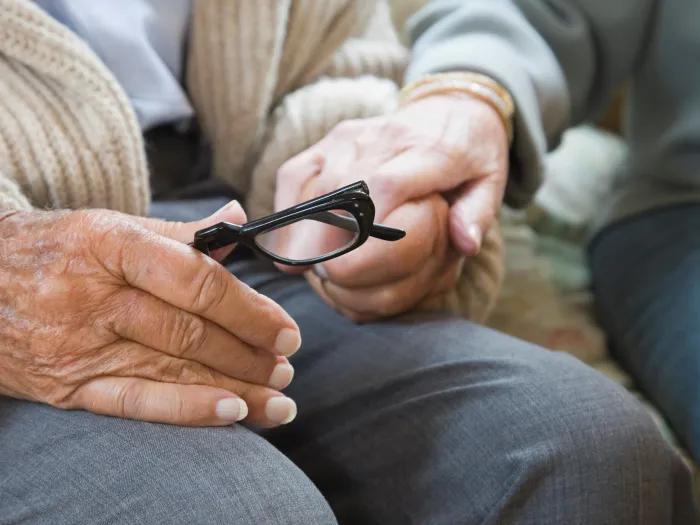
Study shows dementia more common in older adults with vision issues
A link between vision issues in older adults and an increased likelihood of dementia.
Health Lab
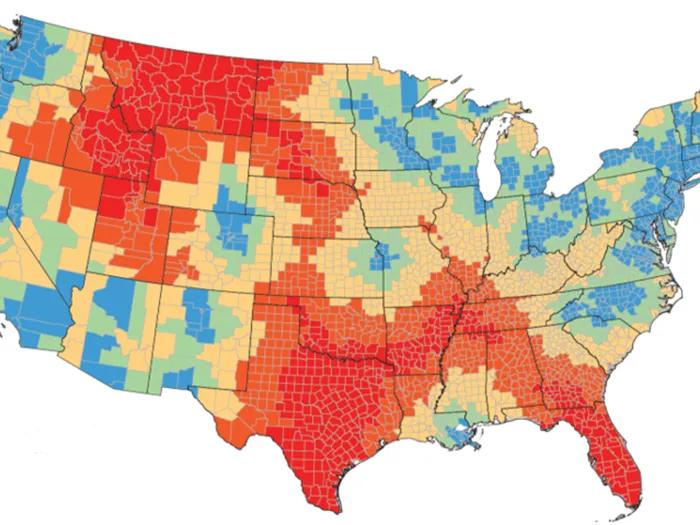
Mapping the changing landscape of gender-affirming care for teens
Gender-affirming care for transgender teens is restricted or may be soon in 20 states; this has increased travel time to available clinics

Health Lab
Dementia becomes an emergency 1.4 million times a year
People with Alzheimer’s and other forms of dementia account for a large percentage of emergency visits by older adults, but some of those crises could be prevented.

Health Lab
Early signs of Alzheimer’s: Most older adults see the value of screening but haven’t been tested
Screening for dementia, Alzheimer’s disease and cognitive impairment is something most older adults want for themselves or feel others their age should have access to.

Health Lab
Michiganders now rely on telehealth for care. What’s next?
The rapid rise in telehealth and telemedicine use during the pandemic helped increase access to care for people in rural areas especially those with mental health provider shortages.

Health Lab
Expanding Medicaid improved care without crowding out other patients
Medicaid expansion associated with rise in doctor’s appointments that included high value care, while not leading to a reduction in visits by people with other forms of insurance.

Health Lab
Study suggests need for iron tests in teen girls & young women
A national study of blood ferritin and hemoglobin levels from tween, teen and young adult females suggests routine screening might be needed for iron deficiency and anemia

Health Lab
Could low iron make mental health symptoms worse?
Iron levels in the blood – and specifically, a type of iron storage called ferritin – have been linked to mental health symptom severity

Health Lab
More older adults are using patient portals, but access and attitudes vary widely
Use and confidence are lower in those with lower incomes or lower levels of physical or mental health
Health Lab
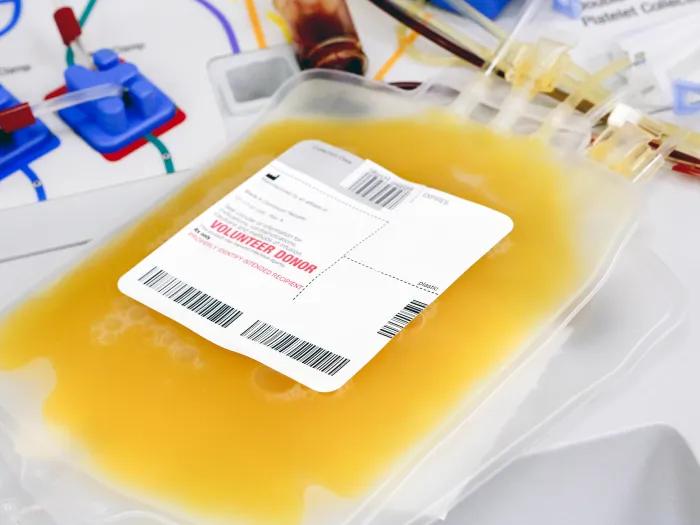
New blood donation rules to know
Blood donation guidelines based on individual risk rather than broad bans increase the number of people eligible to give and save lives.
Health Lab
Higher blood sugar linked to faster loss of brain power in stroke survivors
Research finds higher blood sugar linked to faster loss of brain power in stroke survivors.

Health Lab
11 things to know now that COVID-19 isn’t an “emergency” anymore
The end of the public health emergency for COVID-19 brings changes, but does not change how individuals should protect themselves and others
Health Lab
COVID-19 linked to financial toll on patients
COVID-19 hospitalization is especially linked to an impact on patients’ financial health
