
Emily Kagey
Emily Kagey is a science writer for the University of Michigan Life Sciences Institute, where she develops feature articles, press releases, newsletters and other written content to promote the variety of research conducted within the LSI. Prior to joining the LSI, she worked in nonprofit communications and academic publishing for more than 10 years.
Contact information


Health Lab
Study reveals how shedding DNA allows pro-inflammatory immune cells to quiet inflammation
The immune system’s first responders can reverse their own inflammatory response by shedding tiny pieces of their identity, according to a study.

Health Lab
Diabetes and weight loss drugs could be enhanced, shows study in mice
A network of proteins found in the central nervous system could be harnessed to increase the effectiveness, and reduce the side effects, of diabetes and weight-loss drugs such as Ozempic and Mounjaro, according to research from the University of Michigan Life Sciences Institute.
Health Lab
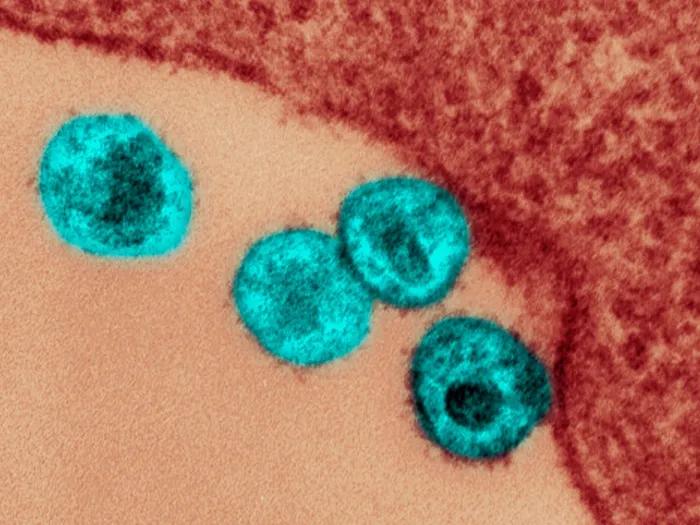
Researchers open new leads in anti-HIV drug development, using compound found in nature
Researchers open new leads in anti-HIV drug development, using a compound found in nature
Health Lab
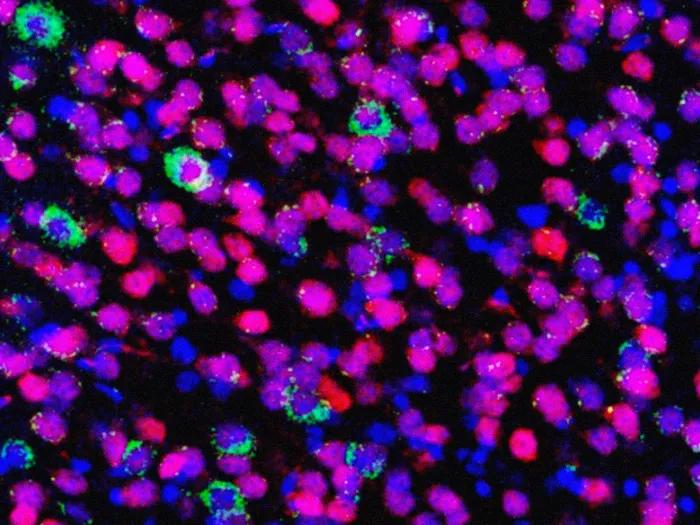
Scientists develop new model for understanding sudden death in epilepsy
Researchers at the University of Michigan have developed a model for studying one type of familial epilepsy, opening the door to understanding—and eventually targeting—the mechanisms that lead to the disorder and its associated fatalities.
Health Lab
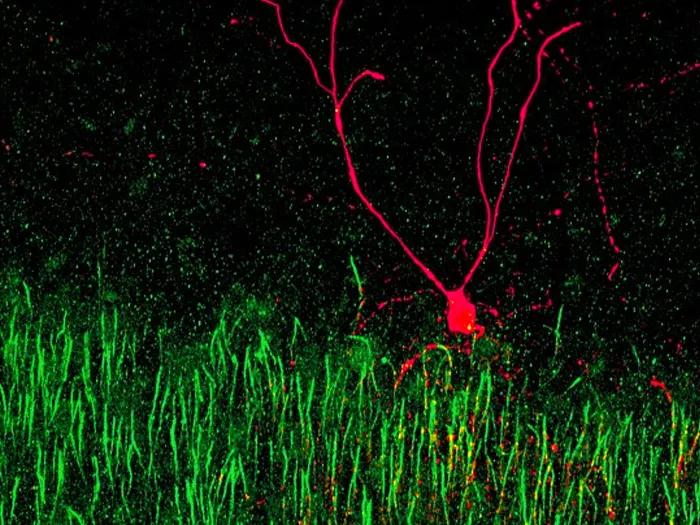
A gene involved in Down syndrome puts the brakes on neurons’ activity in mice, study shows
Michigan Medicine researchers have found that an extra copy of one gene that is triplicated in human Down syndrome patients causes improper development of neurons in mice.

Health Lab
Using the power of artificial intelligence
A new software tool, called LabGym, helps researchers across the life sciences more efficiently analyze animal behaviors.
Health Lab
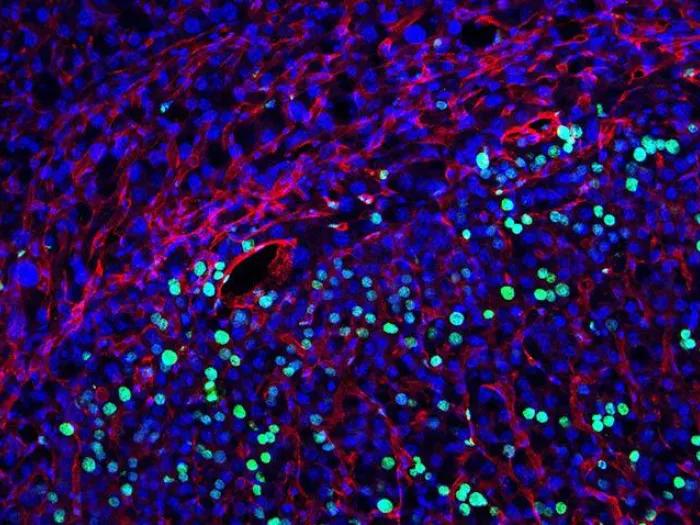
Researchers identify a hormone from fat cells that reprogram the liver microenvironment and restrain tumor growth in mice
Molecular changes in nonalcoholic fatty liver disease could serve as potential therapeutic targets to halt the cells’ progression to liver cancer.

Health Lab
Obesity in mice lowered by increasing effects of key weight-regulating hormone
Technique can make the body more sensitive to leptin
Health Lab
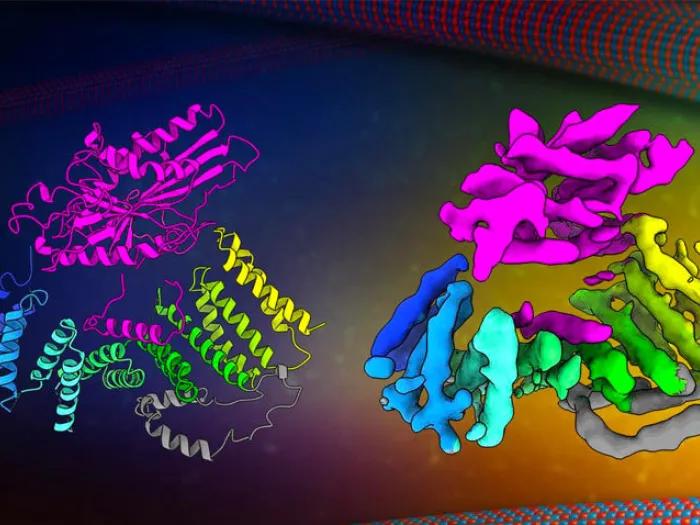
New study clarifies how one protein helps maintain a healthy cellular supply chain
The findings reveal more about the process essential for maintaining cellular health and function.

Health Lab
Protein in the brain uses energy status to influence maturation, body size
A study in mice identifies link between reproductive status and metabolism.

Health Lab
Finding Curative Potential Within a Gene Mutation
Training one gene to “pinch hit” for its twin could be a possible treatment for a type of congenital anemia, new research finds.

Health Lab
Brain Protein That Helps Regulate Body Fat May Guide Anti-Obesity Drugs
A new study in mice finds that absence of a regulatory brain protein could hold the key to stimulating healthy weight loss.
Health Lab
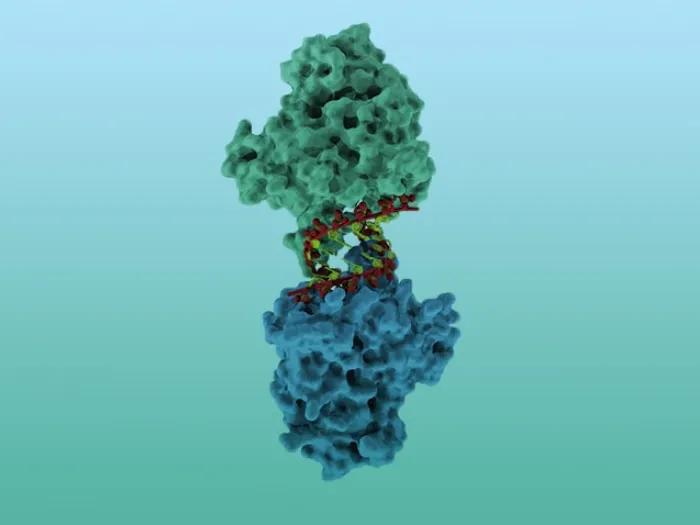
Form Reveals Function in New Study of HIV-Fighting Protein
How a visualization — and a new understanding — of a class of “defender proteins” may help scientists fight HIV infection.
