
Elizabeth Katz
Katz is a science communicator within the Department of Family Medicine at the University of Michigan. She supports the promotion of various department-based research programs, including MDisability, MyVoice, MYHealth AREP, and U-M's Mixed Methods Program, as well as individual researchers’ work. Katz holds a master’s degree in public relations.


Health Lab
Nicotine pouches: Youth survey shows opportunity for prevention
For nicotine pouches, a youth survey shows opportunity for prevention.

Health Lab
Researchers develop enhanced communication framework for cancer clinics
Researchers have proposed an enhanced model of communication focusing not only on what is said in the clinic, but also nonverbal communication of the doctor and how doctors in turn interpret patients’ nonverbal cues.

Health Lab
Gaps seen in stillbirth bereavement care among U.S. hospitals
American hospitals vary greatly in what they offer to birthing parents when a stillbirth occurs during labor or delivery.
Health Lab
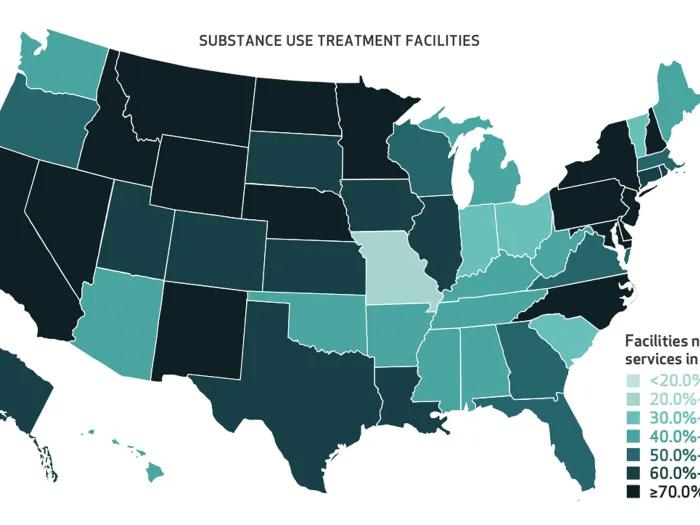
Mental health, substance abuse treatment facilities don't provide communication access to Deaf, Hard of Hearing patients
These services, researchers found, were largely inaccessible to people who use sign language, discriminating against already ‘severely marginalized’ population in the United States.

Health Lab
Researchers identify most effective practices of medical assistants, as well as barriers
The study builds an understanding around the experience of medical assistants in the clinic setting.
Health Lab
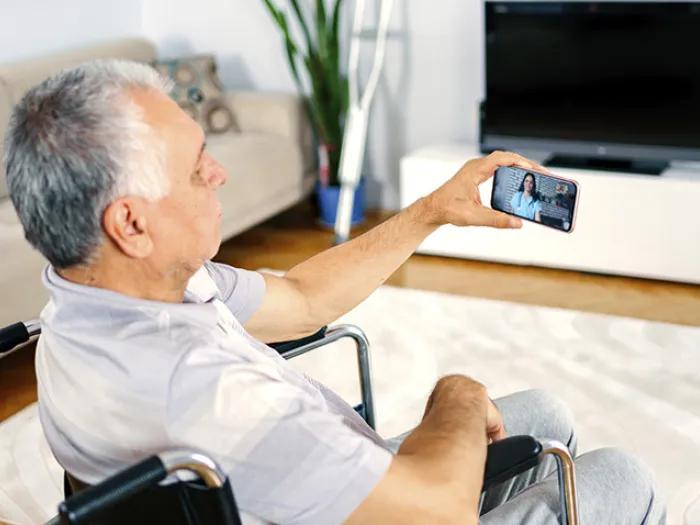
Healthcare Via Video: The New Normal?
Physicians, patients regard information delivery, clinic visits via video as comparable to face-to-face interactions, according to two U-M Department of Family Medicine studies.
