
Health Lab Articles

Health Lab
What is phrenic neuropathy?
Phrenic neuropathy is a condition that impacts the nerve around the diaphragm making it harder to breathe, especially in situations such as lying down or being in water. The condition is treatable, with surgical intervention, physical therapy or by letting it heal over time.

Health Lab
Cutting edge brain neurostimulator device significantly reduces 21-year-old’s seizures
A 21-year-old patient benefits from a novel application of responsive neurostimulation, also known asRNS, surgery to reduce seizures from drug-resistant epilepsy.
Health Lab
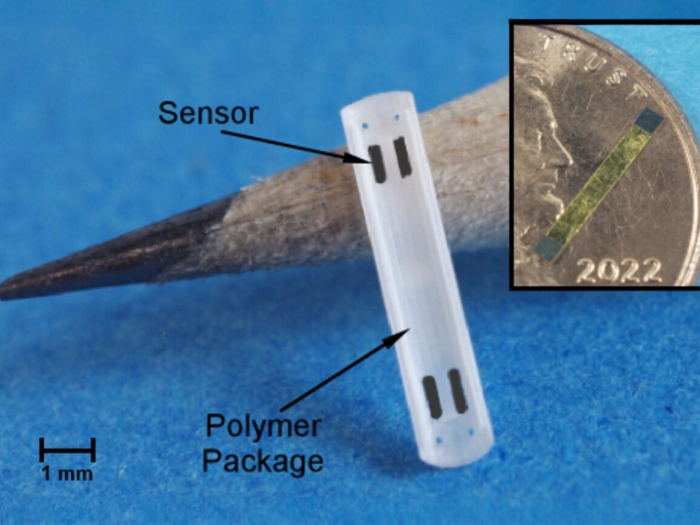
Stent sensor can warn of blockages in the bile duct
Currently, medical providers monitor biliary stent blockages through blood tests, meaning the problem must be significant enough for the body to notice. A sensor within the stent could enable doctors to recognize that bacterial sludge is accumulating and intervene before the patient begins to fall ill.

Health Lab
Nerve damage reduced in prediabetic mice with diet, exercise
A low calorie diet and high intensity exercise can reduce nerve damage in prediabetic mice, according to a Michigan Medicine study.

Health Lab
A urologist explains women’s most common urological concerns — and how to treat them
Women with urological issue may not know how common — and treatable — they are, which keeps many from seeking proper care. But help is available.

Health Lab
A lung cancer survivor shaping lung cancer advocacy
One woman's unexpected lung cancer diagnosis leads her to help many who aren't aware they're at risk of the disease.

Health Lab
Enzyme identified as new therapeutic target for “cold” tumors
A study identifies an enzyme as a new therapeutic target for “cold” tumors.

Health Lab
Changing the definition of cerebral palsy
Cerebral palsy is defined as a childhood disorder, which fails to recognize adults living with the condition and the lack of care they receive once they age out of pediatric clinics.
Health Lab
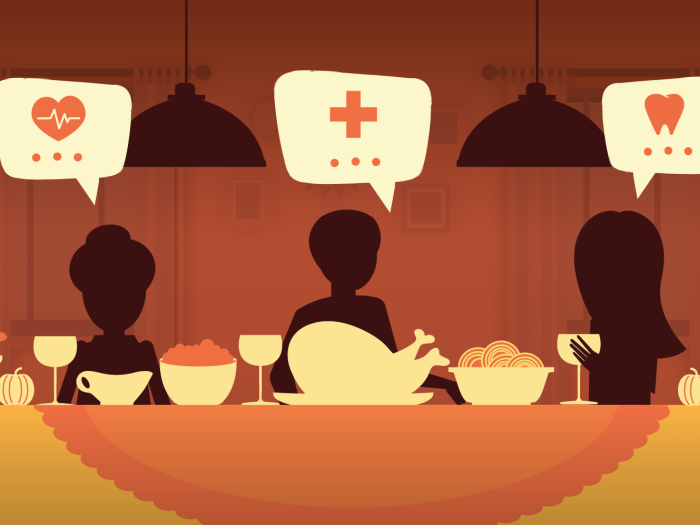
Why you need to discuss your family health history at Thanksgiving
The holidays are a great time to discuss your family's medical history. Learn the importance of discussing your family's health history and how to bring it up.

Health Lab
Comparing life threatening illness risk between two surgeries for infants with congenital heart disease
Newly presented data suggest that infants who receive a hybrid stage I palliation – a less invasive alternative for initial treatment – more commonly develop necrotizing enterocolitis compared to those who receive the standard Norwood operation, a complex open heart surgery.

Health Lab
Does your child manage anger well?
One in seven parents think their child gets angrier than peers of the same age and four in 10 say their child has experienced negative consequences when angry, a national poll suggests.

Health Lab
Hosting guests with food allergies: 6 tips for a safe meal
Food allergies can be life threatening. To prepare for big family gatherings around eating, a patient's mother shares her kid's story and a Michigan Medicine food allergy expert provides simple advice for hosts to follow.

Health Lab
Recycled pacemakers function as well as new devices, international study suggests
Recycled pacemakers can function as well as new devices, a University of Michigan-led study suggests. These used and reconditioned devices have the potential to increase access to pacemaker therapy in low- and middle-income countries, where many patients cannot afford the treatment.

Health Lab
Exercise and physical activity help with cancer recovery and prevention
When it comes to living well and preventing cancer, scientists long ago established that exercise and physical activity are key. But some cancer survivors wonder which activities are best for maximizing health benefits. An assistant professor of applied exercise science at the University of Michigan School of Kinesiology talks more.

Health Lab
“Miracle Maddy” pursues high school diploma after complex brain surgery for extremely rare epilepsy
Six years after brain surgery for rare epilepsy Rasmussen’s encephalitis that caused rapid brain deterioration, high school senior is seizure free and planning to pursue nursing.
