A graduating filmmaker and cancer survivor
Frank Parkinson has made two award-winning documentary films, and his story is only just beginning
12:00 PM
This story was originally published by the Colleges of Literature, Science and the Arts at the University of Michigan, and was written by Gina Balibrera. The article was published on Apr. 29, 2025 and was updated on Sept. 11, 2025.
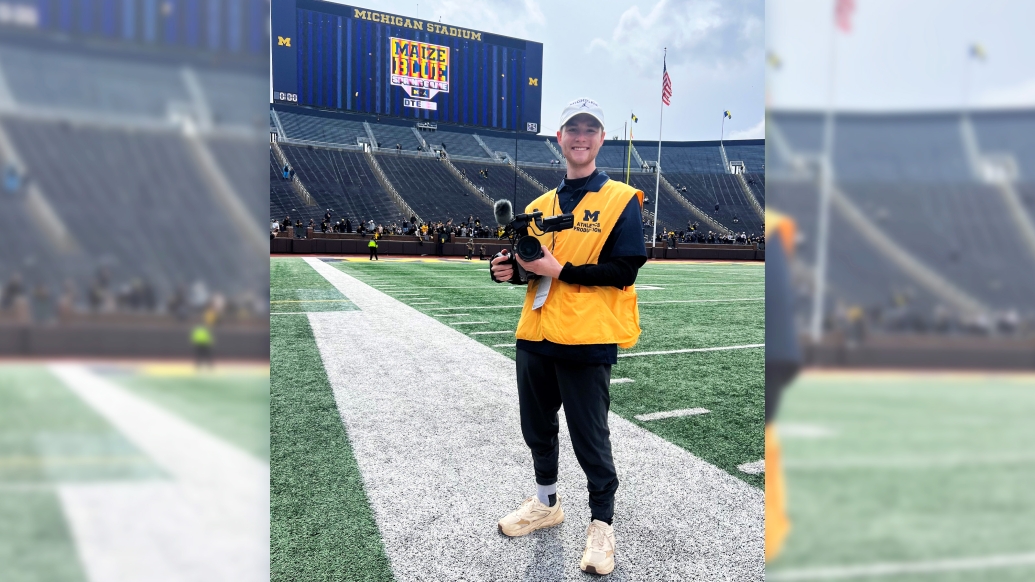
From his childhood bedroom in Saline, Michigan—walls painted in jubilant maize and blue and festooned with Michigan pennants and posters—Frank Parkinson is telling a story over Zoom about how he fell in love with documentary filmmaking.
In high school, Parkinson made a short film using family archival footage.
He learned, from the emotional conversations he had with his father after sharing the film with him, that documentary filmmaking offered him a language of expression like no other.
“Through film,” Parkinson said, “I could move people in a way that my words never could.”
It became his dream to study filmmaking at the University of Michigan.
Parkinson fulfilled that dream when he graduated from the Department of Film, Television, and Media at the College of Literature, Science and the Arts in May 2025.
The journey
Parkinson’s path to commencement was not easy or typical.
He matriculated in the fall of 2020 and experienced the tumultuous days of the COVID-19 pandemic as a first-year student.
Despite the fear and isolation of those early pandemic days, Parkinson was having the time of his life; he adored his introductory classes, tried screenwriting, completed school requirements and made deep friendships.
In the first week of his junior year, Parkinson got sick.
In September 2022, he was diagnosed with T-cell acute lymphoblastic leukemia, an aggressive form of blood cancer that affects bone marrow and spinal fluid.
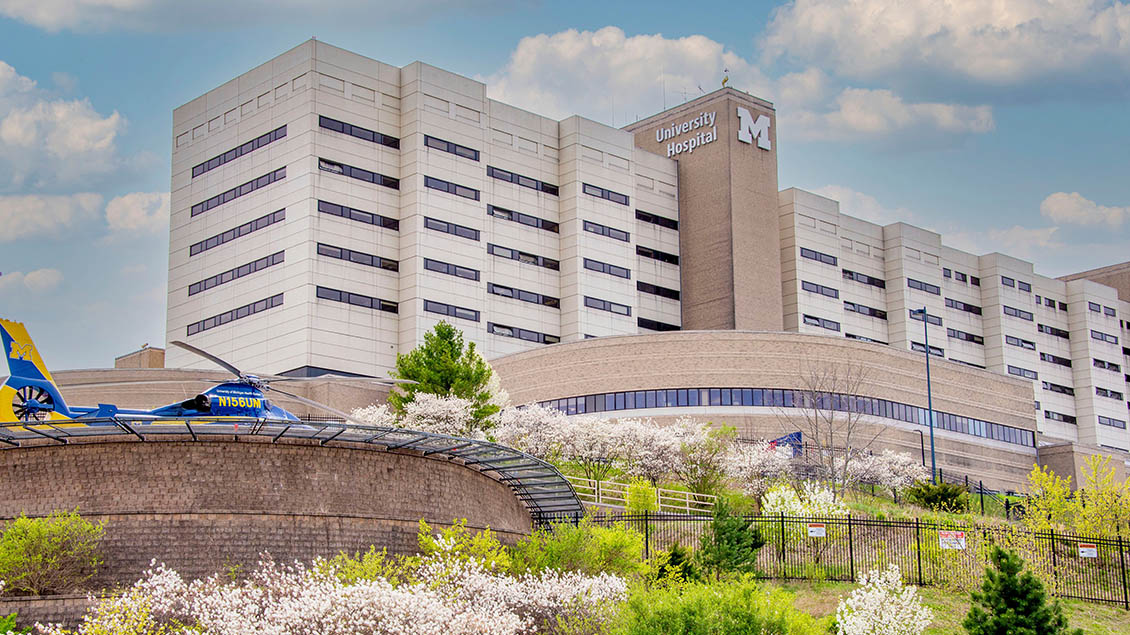
Parkinson began nine months of intensive treatment, beginning with a month-long hospital stay at C.S. Mott Children’s Hospital at Michigan Medicine.
He underwent chemotherapy under the care of Patrick Burke, M.D., clinical associate professor of hematology and oncology.
“The challenge with this type of therapy is that it takes over two years to resolve completely,” Burke said.
“Even so, these types of optimized treatments have given patients better outcomes than what was possible 20 years ago.”
During his time at Mott, Parkinson was grateful for the kindness and expertise of his care team and for the ability of his parents, three older sisters and childhood friends to visit and support him from nearby Saline.
After his time in the hospital, Parkinson took the rest of the school year off and moved home.
Eight months of chemotherapy, spinal taps and bone marrow biopsies followed.
“This was the hardest year of my life,” Parkinson said.
He felt trapped, angry, and sad, and struggled to shift his mind toward hope.
As he neared the end of the nine-month induction phase of his treatment, Parkinson felt a tentative sense of relief.
He could return to school and pursue what he loved.
He would still be immunocompromised, would take chemotherapy pills daily, and maintain weekly visits with his care team at Michigan Medicine, but he would be able to take classes and work an internship.
“Frank had a positive attitude, even during the more difficult days,” Burke said.
Parkinson’s health took a turn just before completing the induction phase when a virus turned serious, and he was put in a medically induced coma.
His family rallied around him at the hospital, and Parkinson underwent a risky procedure to reoxygenate his blood.
He survived, and woke up three weeks later.
“I spent the next four months working my tail off,” Parkinson said.
He had to relearn how to swallow, speak, and walk.
He squeezed little foam balls for hours in order to regain strength in his hands.
“Every day was a month.”
During that time, Parkinson remembers a nurse at the edge of his hospital bed holding his hand when he woke up afraid.
His mom and sisters read his lips when he couldn’t raise his voice.
His father never left his side.
Victor valiant
Parkinson returned to school in the fall of 2023 with two years of coursework needed to complete his degree.
“Who I was had completely changed. I’d been given a second chance at survival. It would have been a shame not to make use of what I’d been granted,” he says.
Parkinson drew tremendous support from the faculty at school.
He recovered his spark by taking documentary film classes from faculty like John Valadez and Padrick Ritch, who demystified the intimidating production elements of filmmaking for him with hands-on practice in lighting, cinematography and sound.
Faculty member Carleen Hsu helped Parkinson apply to film festivals and conferences.
And Parkinson credits his advisor David Marek’s kindness and dedication to student success for the maintenance of his mental well-being.
Parkinson also made two feature-length films during those two years: Walking on the Moon, a documentary about his health journey, narrated by his mother, and Go Down River, about the human cost of PFAS—man-made “forever chemicals”—that have been found in the Michigan waterways where he grew up swimming, playing, and kayaking.
Both films have garnered awards at Michigan and nationwide.
His next documentary tackles the adverse health effects of environmental pollution in Detroit.
The issues Parkinson pursues in his documentary films are weighty—socially, politically, and emotionally significant.
“I want to tell stories that capture the human struggle,” he said. “That’s why I continue to do this.”
These stories are important to share, and so is his personal story of survival, he says.
“I don’t cover up the scars on my neck. I’m proud of them. I hope that when I go to the hospital and young kids receiving cancer treatment see me, that my scars and my smile give them hope that they can survive this too.”
He is currently applying to several graduate school programs to pursue an MFA in documentary filmmaking.
His goal is to improve as a filmmaker and to teach and inspire the next generation of creatives.

Health Lab
Explore a variety of health care news & stories by visiting the Health Lab home page for more articles.
Media Contact
Public Relations
Department of Communication at Michigan Medicine
In This Story
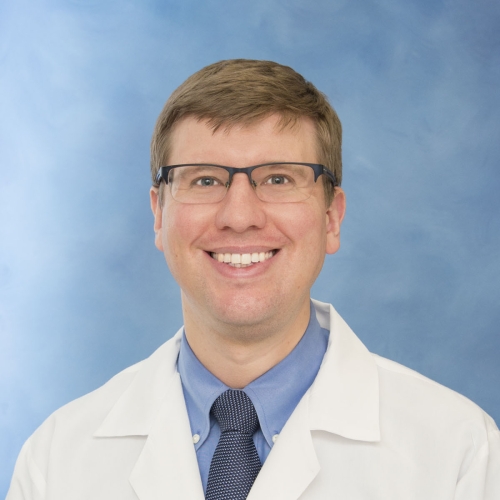
Patrick W Burke
Clinical Associate Professor
Stay Informed
Want top health & research news weekly? Sign up for Health Lab’s newsletters today!
Featured News & Stories
Rx Kids linked to reductions in preterm births and low birthweights, fewer NICU admissions
Study sheds light on how early pancreas lesions become cancerous
Teenage patient receives treatment for papillary thyroid cancer
Teens need private time with doctors, but many aren’t getting it
A smarter helmet for the smallest patients